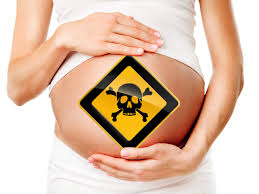
Pesticides And Pregnancy
What Are Pesticides?
Pesticides are chemicals. They are used to kill pests. Pests can be bugs, weeds, or other unwanted things.
Farmers use them to protect crops. People use them in their homes too. They might use them in gardens.
Sometimes, they use them to keep insects away. There are many different kinds. Some are sprayed on food.
Others are put into the soil. Some are used inside houses.
These chemicals help make food cheaper. They also help grow more food. But, they can sometimes cause problems.
This is true for anyone. It is especially true when someone is pregnant. Their body is working hard.
It is building a new life. Anything that could harm that development is a big worry.
Why Are Pesticides a Concern During Pregnancy?
Pregnancy is a special time. Your body is changing a lot. It is also very sensitive.
A developing baby is also very sensitive. Babies grow fast. Their bodies are still forming.
Organs are developing. Their brain is growing. Certain chemicals can interfere with this growth.
Pesticides are one type of chemical. Some studies show links between pesticide exposure and health issues.
These issues can affect the baby’s growth. They might affect how the baby’s body parts form. There can also be effects later in life.
This includes learning problems. It can also mean problems with behavior. Experts are still learning about all the effects.
But, it is clear that extra care is needed. We want to protect the baby as much as possible.
The main concern is that pesticides are chemicals. Some chemicals can cross the placenta. This means they can reach the baby. The baby’s body is not fully developed.
It cannot process these chemicals well. So, even small amounts could be harmful. This is why many health experts suggest reducing exposure.
Types of Pesticide Exposure
You can come into contact with pesticides in different ways. This is called exposure. For pregnant people, there are a few main ways this happens.
Knowing these helps you know where to look for risks.
One way is by eating food. If food is sprayed with pesticides, residues can remain. Even after washing, some might stay.
Another way is through the air. If someone sprays pesticides nearby, you could breathe them in. This can happen in homes or gardens.
It can also happen in agricultural areas. Sometimes, pesticides can get into the water supply. Drinking contaminated water is another exposure route.
There are also products used around the house. Insect sprays are common. Weed killers for lawns are used often.
Cleaning products might contain them too. Using these products can lead to exposure. Touching contaminated surfaces is another path.
Your skin can absorb some chemicals. This is why washing hands is important.
Exposure Routes Simplified
Eating Food: Residues on fruits, vegetables, and grains.
Breathing Air: Sprays used outdoors or indoors, near farms.
Drinking Water: Contaminated local water sources.
Skin Contact: Touching treated surfaces or using products directly.
Personal Experience: A Scare in the Garden
I remember one summer. I was about five months pregnant. My little garden was my happy place.
I loved growing my own tomatoes and herbs. One afternoon, I noticed my tomato plants had bugs. I panicked a little.
I wanted to save my plants. Without thinking much, I grabbed a spray bottle from the shed. It was an older bottle.
I thought it was for general garden pests. I sprayed my plants, feeling a bit of relief.
Later that day, I felt uneasy. I started thinking about what I had sprayed. Was it safe?
I looked at the bottle again. The label was faded. I couldn’t really read it clearly.
But I saw a small skull symbol. My heart sank. I knew that meant it was likely very toxic.
I felt a wave of worry wash over me. I worried about the tomatoes. I worried more about the baby growing inside me.
I immediately threw the bottle away. I washed my hands thoroughly. I even showered.
That day taught me a hard lesson about being careful.
Understanding Different Types of Pesticides
Not all pesticides are the same. They work in different ways. They also have different levels of risk.
Knowing a bit about them can help. This is not to scare you, but to inform you.
One common type is organophosphates. These are often found in bug sprays. They can affect the nervous system.
Some studies suggest links to developmental issues. Another group is carbamates. They work like organophosphates.
They also target the nervous system. Then there are pyrethroids. These are often used in homes and gardens.
They are man-made. They are based on natural insect-killing compounds.
There are also herbicides. These kill weeds. Glyphosate is a well-known example.
It is used in many products. Concerns exist about its long-term effects. Fungicides kill fungi.
Rodenticides kill rodents. Each class of pesticide has its own properties and potential risks.
The important thing to remember is that research is ongoing. What we know today might change. But, the general advice is to be cautious.
Reducing exposure is always a good idea.
Key Pesticide Groups to Know
- Organophosphates: Often in bug sprays, target nervous system.
- Carbamates: Similar to organophosphates, affect nerves.
- Pyrethroids: Common in home and garden use.
- Herbicides: Used to kill weeds (like glyphosate).
- Fungicides: Used to control fungal diseases.
How Pesticides Can Affect a Developing Baby
The effects of pesticides depend on many things. The type of pesticide matters. How much you are exposed to matters.
How long you are exposed for matters. When during pregnancy exposure happens also matters.
Early pregnancy is a critical time. This is when organs are forming. The baby’s brain is developing rapidly.
Certain chemicals can disrupt these sensitive processes. This might lead to birth defects. It might cause lower birth weight.
It can also affect brain development. This can lead to learning difficulties later on.
Some research points to effects on the reproductive system. It can also impact the immune system. The worry is that even low levels of exposure could have lasting effects.
Scientists are studying these links closely. They look at large groups of people. They compare those with higher exposure to those with less.
This helps build a picture of the risks.
It is important to avoid getting overwhelmed. The goal is to make informed choices. Protecting your baby is the priority.
Simple changes can make a big difference.
Reducing Your Exposure: Practical Steps
Reducing pesticide exposure is very achievable. It involves making small changes in your daily life. Think about your food, your home, and your surroundings.
For food, the best thing is to choose organic. This means food grown without synthetic pesticides. It is often more expensive.
But, it is a great way to cut down on residues. If organic is not possible, wash all produce very well. Use a vegetable brush.
Rinse under running water. You can also soak fruits and vegetables in water. Some people add a little vinegar to the water.
This might help remove more residues.
When you are out and about, be mindful of sprayed areas. Avoid walking on recently treated lawns. If you live near farms, keep windows closed during spraying seasons.
This can help keep the air cleaner inside your home.
Inside your home, avoid using chemical pest sprays. Look for natural alternatives. Many stores sell insect repellents made from essential oils.
You can also use traps. Keep your home clean. This reduces places where pests can hide.
Seal cracks and holes. This stops pests from getting in.
Always read labels carefully. If you must use a product, choose one that is less toxic. Use it only when necessary.
Ventilate the area well. Wear gloves and a mask. Wash your hands immediately after use.
Smart Food Choices
- Choose Organic: Look for the USDA Organic label.
- Wash Produce Thoroughly: Use running water and a brush.
- Soak Produce: A soak in water or vinegar solution can help.
- Peel When Possible: Some pesticides stay on the skin.
Organic vs. Conventional Produce
This is a big topic for many parents. Choosing between organic and conventionally grown food. Organic farming uses natural methods.
It avoids synthetic pesticides and fertilizers. Conventional farming often uses them. This is to boost yields and control pests.
The U.S. Department of Agriculture (USDA) regulates organic standards. This means organic food has been grown without certain chemicals.
Studies have shown that organic produce generally has lower pesticide residues. This can be a significant benefit during pregnancy.
However, organic food can cost more. It might not be accessible to everyone. If you can’t buy all organic, focus on the “Dirty Dozen.” These are fruits and vegetables that tend to have the most pesticide residues.
The Environmental Working Group (EWG) publishes this list annually.
The “Clean Fifteen” are fruits and vegetables with the least residues. Choosing conventional for these items might be okay. The key is to eat a variety of fruits and vegetables.
Even conventionally grown produce is good for you. Just remember to wash it well.
Dirty Dozen vs. Clean Fifteen
Dirty Dozen: Higher pesticide residues. Prioritize organic for these.
Clean Fifteen: Lower pesticide residues. Conventional options are often fine.
(Note: Lists vary yearly. Check current EWG reports.)
Pesticides in the Home Environment
Your home should be a safe haven. But, common household products can contain pesticides. This is a major source of indoor exposure.
Many people use bug sprays for ants or flies. They use weed killers on their lawns. They might even use flea and tick treatments for pets.
These chemicals can linger in the air. They can settle on surfaces. This means you can breathe them in or touch them.
Pregnant women are often advised to avoid certain tasks. This includes spraying pesticides. It also includes working with treated plants.
Consider using natural pest control methods. There are many effective options. You can use essential oils like peppermint or lavender.
They can deter some insects. Baking soda and vinegar can be used for cleaning. They are effective and safe.
For larger pest problems, consider professional services that specialize in green or organic pest control.
Always ventilate your home well. Open windows regularly. This helps clear out any lingering fumes.
Even if you are not using products, ventilation is good. It keeps the air fresh. This is important for everyone in the house.
It is especially important for a developing baby.
Green Cleaning & Pest Control Tips
- Natural Sprays: Use essential oils like peppermint or lavender.
- Vinegar & Baking Soda: Great for cleaning surfaces.
- Sealing Entry Points: Block cracks and gaps where pests get in.
- Traps: Use sticky traps or other non-chemical methods.
- Professional Help: Look for eco-friendly pest control services.
Pesticides in Drinking Water
Water is essential. It is vital for a healthy pregnancy. We need to make sure our drinking water is safe.
Sometimes, pesticides can get into public water systems. This happens through runoff from farms. It can also happen from industrial sites.
Even home gardens can contribute.
Public water systems are regulated. They test for many contaminants. But, regulations vary.
And, testing might not catch every single pesticide. If you are concerned about your water, you can get it tested. Your local health department might offer this service.
Or, you can hire a private lab.
Using a water filter can help. Many filters are designed to remove pesticides. Look for filters certified for this purpose.
Activated carbon filters are often effective. Reverse osmosis systems can also remove a wide range of contaminants. Boiling water does not remove pesticides.
It can even concentrate them.
Choose filtered water for drinking. Use it for cooking too. This helps reduce your overall exposure.
It is a simple step with big benefits.
Pesticides and Occupational Exposure
Some jobs involve working with pesticides. Agricultural workers are a prime example. Landscapers and gardeners might also be exposed.
People who work in pest control are at risk too.
If your job involves pesticides, talk to your employer. Ask about safety measures. Are there protective gear provided?
Are there protocols for handling these chemicals? Your employer should have information about safe handling. They should also have ways to reduce exposure.
If you are pregnant and work with pesticides, discuss it with your doctor. They can advise you on specific risks. They might suggest temporary changes to your job duties.
This could involve moving to a less exposed role. It might mean taking time off. Your health and your baby’s health come first.
The U.S. Environmental Protection Agency (EPA) sets standards. They regulate pesticide use.
Occupational Safety and Health Administration (OSHA) also has rules. These aim to protect workers. Know your rights and the safety guidelines.
Advocate for your health.
What Does This Mean for You and Your Baby?
It’s natural to feel concerned. But, this information is empowering. It helps you make smart choices.
You don’t need to panic. Most pregnant people have some level of exposure. The goal is to minimize it as much as possible.
When is it normal? It’s normal to worry about your baby. It’s normal to want the best.
Exposure to pesticides is common. We live in a world where these chemicals are used. So, some level of contact is hard to avoid completely.
When should you worry? You should pay more attention if you work with pesticides. If you use them often in your home or garden.
If you live very close to agricultural spraying. If you have concerns about your tap water. In these cases, take extra steps.
Simple checks: Wash your hands often. Wash all produce. Choose organic when you can.
Ventilate your home. Avoid using chemical sprays. These simple habits add up.
They create a safer environment.
Quick Tips for a Healthier Pregnancy
Here are some easy things you can do:
- Prioritize Organic: Focus on the Dirty Dozen.
- Wash Everything: Even organic produce needs a good rinse.
- Go Natural at Home: Use non-toxic cleaning and pest solutions.
- Filter Your Water: Invest in a good water filter.
- Read Labels: Be aware of chemicals in products you buy.
- Ventilate: Keep fresh air flowing in your home.
- Talk to Your Doctor: Discuss any specific concerns you have.
Frequently Asked Questions
Is it safe to eat fruits and vegetables sprayed with pesticides while pregnant?
It’s best to reduce your intake of pesticide residues. Washing fruits and vegetables thoroughly under running water can help. Choosing organic options, especially for items on the “Dirty Dozen” list, is a great way to lower exposure.
If organic isn’t possible, focus on washing conventionally grown produce very well.
Can pesticides cause birth defects?
Some studies suggest a link between high levels of pesticide exposure and certain birth defects. However, research is ongoing, and effects can depend on the type of pesticide, the amount of exposure, and the timing during pregnancy. Reducing exposure is always recommended as a precautionary measure.
What are the safest ways to get rid of pests in my home during pregnancy?
Avoid using chemical insect sprays. Opt for natural methods like essential oils (peppermint, lavender), vinegar, and baking soda. Seal cracks and entry points to prevent pests from getting in.
Physical traps are also a safe option. If you have a serious infestation, consult a pest control service that specializes in non-toxic or organic methods.
Should I avoid gardening while pregnant if I use pesticides?
Yes, it’s wise to avoid using pesticides in your garden while pregnant. If you must garden, choose organic seeds and soil. Use natural pest control methods.
If pesticides have been used recently, wait for them to dissipate or avoid the area. It’s best to delegate any pesticide application tasks to someone else or use non-toxic alternatives.
How can I reduce pesticide exposure from my drinking water?
Using a water filter certified to remove pesticides is a good step. Activated carbon filters and reverse osmosis systems are often effective. You can also have your tap water tested to see what contaminants are present.
If concerned, consider bottled water, but be mindful of plastic waste.
What is the “Dirty Dozen” and how does it relate to pregnancy?
The “Dirty Dozen” is a list compiled by the Environmental Working Group (EWG). It highlights fruits and vegetables that tend to have the highest levels of pesticide residues. During pregnancy, prioritizing organic versions of these twelve items can significantly reduce your pesticide intake.
Final Thoughts
Navigating pregnancy involves many decisions. Thinking about pesticides is one of them. By understanding the risks and taking simple steps, you can feel more confident.
You are creating a healthy environment. This is for yourself and your growing baby. Your efforts matter.
Focus on what you can control.

Related Posts

X Ray During Pregnancy Risk

Gel Manicure Pregnancy Uv