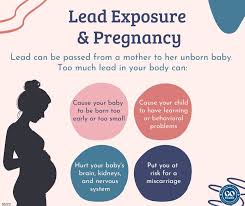
Lead Exposure Pregnancy
Lead exposure during pregnancy is a serious health risk. It can harm both the mother and the developing baby. Knowing the sources of lead, potential symptoms, and preventative steps is crucial for a healthy pregnancy.
Protecting yourself and your baby involves minimizing contact with lead in your environment and diet.
What is Lead Exposure?
Lead is a naturally occurring element. It’s a metal. For a long time, it was used in many products.
This includes paint. It was also in pipes for water. Many older homes still have these things.
Lead can get into your body. You can breathe it in. You can also swallow it.
When lead gets into your body, it stays there. It can build up over time. This is called lead poisoning.
It doesn’t matter how little lead you are exposed to. Any amount can be harmful. This is especially true for babies and young children.
Their bodies are still growing. They are more sensitive.
During pregnancy, lead can pass from the mother to the baby. The baby’s brain and body are developing fast. Lead can mess with this growth.
It can cause serious problems. These problems can last a lifetime. So, avoiding lead is very important.
It’s important for everyone. It’s extra important for pregnant people.
Why is Lead a Big Deal During Pregnancy?
Pregnancy is a time of amazing growth. Your baby is building a whole new body. This includes their brain, nerves, and other organs.
Lead can get in the way of this process. It acts like a toxic intruder. It disrupts normal development.
It can cause permanent damage.
Think of a baby’s developing brain. It’s like a complex construction site. Everything needs to be placed just right.
Lead can be like a wrecking ball. It can knock down important structures. It can stop things from being built correctly.
This can affect how the baby learns and grows later on.
For the pregnant person, lead can also cause health issues. It can affect blood pressure. It can cause kidney problems.
It can even lead to miscarriage or premature birth. These are serious risks. They highlight why we need to take lead exposure seriously.
The scary part is that you might not see any signs. Lead poisoning can happen without obvious symptoms. This is true for both adults and children.
This makes it even more important to be aware. We need to be proactive about preventing it. We can’t just wait for problems to show up.
The body absorbs lead more easily when someone is pregnant. This is because the body is already changing. It’s preparing for a baby.
This means even a small amount of lead can be more harmful. The lead can also pass through the placenta. This means the baby gets exposed directly.
Where Can You Find Lead?
Lead is sneaky. It’s not always in plain sight. The biggest concern for many is lead-based paint.
This was used in homes built before 1978. The paint itself is not usually the problem. The problem happens when it chips.
It turns into dust. This dust can get everywhere.
When old paint chips, it creates tiny particles. These particles are often invisible. They can settle on floors.
They can settle on toys. They can settle on windowsills. When you clean, you can stir this dust up.
Breathing it in is a big risk. Children often put their hands or toys in their mouths. This is how they swallow lead dust.
Another source is old plumbing. Homes with lead pipes or lead solder can have lead in their drinking water. This is more likely if the water sits in the pipes for a long time.
Running the water for a bit can help. But it’s still a risk.
Some older ceramic dishes and pottery can also have lead. This is especially true if they were not glazed properly. Or if they were made before strict regulations.
Sometimes, imported toys or cosmetics can contain lead. It’s good to be aware of where you are shopping.
Soil around older homes can also have lead. This is from old paint that has weathered away. If you have a garden, this can be a concern.
Or if children play outside in these areas.
Common Places Lead Hides
- Old Paint: Houses built before 1978 often have lead paint. Chipping or peeling paint creates dust.
- Water Pipes: Lead pipes and solder can release lead into drinking water.
- Soil: Lead can be found in soil near old homes or busy roads.
- Ceramics: Some older or imported pottery can contain lead glazes.
- Toys and Cosmetics: Certain imported items may have lead.
Signs of Lead Exposure in Pregnancy
This is the tricky part. Often, there are no clear signs of lead poisoning. This is true for pregnant people and children.
Your doctor might not suspect it. You might not suspect it. That’s why being aware of the risks is so important.
It’s better to prevent it than to try and catch it after symptoms appear.
However, some general symptoms can occur. These are often vague. They can be mistaken for other pregnancy discomforts.
Some people might feel more tired than usual. They might have stomach problems. This could be constipation or pain.
Headaches can also happen. Some might notice changes in mood.
For the baby, the effects are more serious. These effects might not be seen right away. They might appear as developmental delays.
This can include problems with learning. It can mean a lower IQ. It can affect behavior.
It can also lead to issues with hearing or speech. Growth problems are also possible.
Sometimes, very high levels of lead exposure can cause more sudden symptoms. These are less common. They might include severe abdominal pain, seizures, or even coma.
But this usually happens with very significant exposure. Most risks come from lower levels over time.
The best way to know if there is lead in your body is through a blood test. Your doctor can order this test. They will check the level of lead in your blood.
This is the most reliable way to find out. Don’t hesitate to ask your doctor about it.
My Own Lead Scare: A Home Renovation Tale
I remember when my sister was pregnant with her first child. They had just bought a charming old house. It was full of character.
But it was also full of potential lead paint. They decided to repaint the nursery themselves. They thought it would be a nice bonding activity.
They didn’t know much about lead dust back then.
They started sanding down some old window frames. Dust flew everywhere. They weren’t wearing masks.
They didn’t seal off the room properly. They thought, “It’s just a little dust.” A few days later, my sister started feeling really unwell. She was unusually tired.
She had a constant headache. She felt sick to her stomach. We all thought it was just pregnancy tiredness.
Then, her doctor asked about their home renovation plans. When they told him about the sanding, he got serious. He ordered a blood test for lead.
It came back positive. The level wasn’t sky-high, but it was higher than they wanted. Especially with her being pregnant.
It was a huge wake-up call. They felt so guilty and scared.
Thankfully, they caught it early. The doctor explained how to clean up properly. They had to get professionals in to do more work.
They learned about sealing off areas. They learned about wearing the right protective gear. They also learned about testing their water.
It was a stressful time. But it taught them a valuable lesson. It’s so important to be aware of hidden dangers, especially when you’re growing a baby.
Testing Your Home for Lead
If you live in a home built before 1978, testing is a smart idea. You don’t want to guess. You want to know for sure.
There are a few ways to do this.
The easiest way is to get a lead testing kit. You can buy these online or at hardware stores. They usually involve wiping surfaces.
Then you use a chemical developer. It will show if lead is present. These kits are good for a quick check.
But they aren’t always perfectly accurate.
For a more thorough check, you can hire a certified lead inspector. This is the best option if you’re planning renovations. Or if you’re very concerned.
They use specialized tools. They can test paint. They can test dust.
They can even test your water. They provide a detailed report.
Testing your water for lead is also very important. You can get a water testing kit from your local health department. Sometimes, they offer these for free.
Or you can buy them. You collect a water sample. Then you send it to a lab.
They tell you the lead level in your water. This is crucial if you have older pipes.
Don’t forget about soil testing. If you have children who play outside. Or if you plan to garden.
You can get soil testing kits. These will tell you if the soil has lead. This is often linked to old exterior paint.
It can be a source of lead dust.
Lead Testing Options
- Home Test Kits: Available at hardware stores. Good for quick surface checks.
- Certified Inspector: Professional testing of paint, dust, and more. Best for renovations.
- Water Testing Kits: Often available from local health departments. Crucial for older homes.
- Soil Testing: Important for gardens and play areas near older buildings.
Protecting Yourself and Your Baby: Prevention is Key
The good news is that you can take steps to reduce lead exposure. Prevention is always better than dealing with the problems later. This is especially true during pregnancy.
First, if you live in an older home, be careful during renovations. If you are painting, take precautions. Cover all surfaces.
Use plastic sheeting. Seal off the room from the rest of the house. Wear a respirator mask.
Not just a dust mask. Wear gloves. Clean up thoroughly with wet cloths.
Don’t dry sweep.
If you’re not renovating, keep things clean. Wash your hands often. Wash your children’s hands often.
Wash toys regularly. Wipe down windowsills and floors. Use wet mopping and wiping methods.
This helps control lead dust.
Regarding your drinking water, run the tap for a minute or two. Especially if the water has been sitting in the pipes. This flushes out any lead that might have leached in.
Use cold water for drinking and cooking. Hot water can pick up more lead.
Be mindful of where your food comes from. If you grow your own vegetables, test your soil. Wash all produce thoroughly.
Even if you don’t grow it yourself. Some imported items can also be a risk. Look for reputable brands.
Talk to your doctor. They can test your blood for lead. They can also advise you on specific risks.
They know your health history. They can give you the best advice for your situation.
Some supplements can help your body deal with lead. Calcium and iron are important. They help block lead absorption.
Eating a healthy diet is a key part of prevention. Make sure you’re getting enough of these nutrients. Your doctor can help you with this.
Quick Prevention Checklist
- Clean Regularly: Wet mop floors and wipe surfaces often.
- Wash Hands: Especially before eating and after playing outside.
- Water Safety: Run water before use. Cook and drink with cold water.
- Safe Renovations: Hire professionals or use strict safety measures.
- Healthy Diet: Ensure enough calcium and iron.
- Talk to Your Doctor: Get tested and ask for advice.
Dietary Tips to Reduce Lead Absorption
What you eat can make a difference. Certain foods can help your body absorb less lead. This is a smart strategy for pregnant people.
It’s also good for young children.
Calcium is your friend. Foods rich in calcium can block lead from entering your body. Dairy products are a great source. Milk, cheese, and yogurt are good choices.
Leafy green vegetables also have calcium. Think spinach, kale, and broccoli. Make sure you are getting enough calcium every day.
Your doctor can tell you how much you need.
Iron is also key. If you are low in iron, your body will absorb more lead. Red meat, beans, and fortified cereals are good sources of iron. Vitamin C helps your body absorb iron.
So, eat foods like oranges, strawberries, and bell peppers. These help make iron work better.
Avoid eating lead-contaminated soil. If you have a garden, this is important. Keep children from playing in bare soil areas. Especially if the soil is old.
Consider covering bare soil with grass or mulch.
Be cautious with imported foods. Sometimes, spices or candies from other countries might have lead. Be aware of where your food comes from. Choose reputable sources when possible.
Reading labels can sometimes offer clues, though not always explicitly for lead.
Keep eating balanced meals. A diet full of fruits, vegetables, and whole grains is best. This supports your overall health. It also helps your body cope with potential toxins.
This isn’t about avoiding all risks. It’s about making smart choices. It’s about giving your body the tools it needs.
Tools to protect you and your growing baby.
Nutrients That Help Block Lead
Calcium: Builds stronger bones and teeth. Helps block lead absorption.
- Dairy products (milk, cheese, yogurt)
- Leafy greens (kale, spinach, broccoli)
Iron: Helps prevent your body from absorbing lead.
- Lean meats
- Beans and lentils
- Fortified cereals
Vitamin C: Helps your body absorb iron better.
- Citrus fruits (oranges, lemons)
- Berries
- Bell peppers
When to Talk to Your Doctor
If you are pregnant and think you might have been exposed to lead, talk to your doctor right away. Don’t wait. It’s always better to be safe than sorry.
Especially when you’re carrying a child.
You should talk to your doctor if:
- You live in a home built before 1978.
- You have recently done renovations on an older home.
- Your drinking water comes from old pipes.
- You have any concerns about lead in your food or toys.
- You notice any unusual symptoms like extreme fatigue or stomach issues.
Your doctor can order a blood test. This is the only way to know for sure if lead is in your body. They can also check the level.
This helps them decide on the best course of action.
They can also offer guidance on how to reduce lead in your home and environment. They might suggest specific dietary changes. Or they might recommend ways to test your living space.
They are your best resource for personalized advice.
Remember, your health and your baby’s health are the top priority. Don’t hesitate to ask questions. Your doctor is there to help you.
They want you to have a healthy pregnancy. They want your baby to be born healthy.
Understanding Lead in Water: Testing and Flushing
Lead in drinking water is a big concern. Especially for pregnant people and young children. The lead can come from lead service lines.
These are the pipes that connect your home to the main water supply. It can also come from lead solder used to join copper pipes. Or from brass faucets and fixtures.
The U.S. Environmental Protection Agency (EPA) has rules about lead in water. But even low levels of lead can be harmful.
There is no safe level of lead exposure.
Testing your water is important. You can get a water testing kit from your local water utility. Sometimes, they provide them for free. Or you can buy kits from a lab that is certified by the EPA.
You’ll need to follow their instructions carefully to collect a sample. The sample will be analyzed for lead content.
Flushing your pipes can help. If you have lead pipes, or if you’re unsure, flushing is a good practice. Before using water for drinking or cooking, let the cold water run for a few minutes. This is especially important in the morning.
Or after the water has been sitting unused for several hours. This flushes out water that has been in contact with lead pipes. It helps clear out lead that may have leached in.
Use cold water for drinking and cooking. Hot water can dissolve lead from pipes and fixtures more easily. So, always use cold water for making coffee, tea, or baby formula. You can also use hot water for washing dishes or bathing.
But for anything you consume, stick to cold.
Consider a water filter. If your water test shows lead, or if you have lead pipes, a water filter can be a good investment. Make sure the filter is certified to remove lead. Look for NSF/ANSI Standard 53 or NSF/ANSI Standard 157 certification.
You’ll need to replace the filter cartridge regularly according to the manufacturer’s instructions.
Clean faucet aerators. The little screens on the end of your faucets are called aerators. They can collect lead particles. Unscrew them periodically and clean them.
You can soak them in vinegar.
These steps can significantly reduce your exposure to lead from drinking water. They are simple yet effective ways to protect your health.
Lead in Cosmetics and Traditional Medicines
It might seem surprising, but lead can sometimes be found in certain cosmetics and traditional remedies. This is an area many people don’t think about when considering lead exposure risks.
Some imported makeup products can contain lead. This includes lipstick, eye makeup, and skin lightening creams. Lead is sometimes used to give products a better color or texture.
It’s a silent contaminant. You wouldn’t know it’s there just by looking at the product.
Similarly, some traditional or herbal medicines, especially those from other countries, might contain lead. These might be used for various health concerns. The problem is that these products are not always regulated.
They may not be tested for harmful substances like lead.
What can you do? Be cautious about makeup and beauty products. Especially those that are not from well-known, reputable brands. Or those that come from overseas.
Look for products that are clearly labeled. And try to buy from trusted retailers.
If you use traditional medicines, talk to your doctor. They can advise you on the safety of these products. They can help you understand if there’s a risk of lead contamination.
They might suggest safer alternatives. Or they might recommend testing the product if it’s a serious concern.
It’s about being informed. It’s about asking questions. And it’s about making choices that keep you and your baby safe.
Don’t assume products are safe just because they are on the shelf.
Lead in Toys: A Danger for Young Children (and Pregnant People?)
While the direct risk of lead in toys is primarily for children who put them in their mouths, it’s worth mentioning in the context of pregnancy. Pregnant individuals are often around young children, and contaminated hands or surfaces can be a concern. Also, awareness of this risk can prompt broader household cleaning.
Lead was once common in paint used on toys. It made the colors brighter and more durable. However, lead paint on toys is a major hazard.
Especially if the paint chips or flakes off. Children can ingest this lead paint. This can lead to lead poisoning.
Regulations have been put in place to limit lead in paint and toys. The Consumer Product Safety Improvement Act (CPSIA) in the U.S. sets strict limits on lead content in children’s products.
How to reduce risk:
- Buy from reputable sources: Choose toys from well-known brands. Buy from stores you trust.
- Check for recalls: Be aware of product recalls. The CPSC website is a good place to check.
- Inspect toys regularly: Look for chipped or peeling paint on older toys. If you find any, discard the toy safely.
- Wash hands: Ensure children wash their hands after playing with toys. This is especially important if they play outdoors.
- Beware of old toys: If you have antique toys or toys passed down from older relatives, be extra cautious. They might have lead paint.
Even though this is more directly a risk for children, it reinforces the need for overall lead awareness in the home. If there are young children in your household, their toys are another potential source of lead dust that could affect everyone.
Long-Term Effects of Lead Exposure on Children
The consequences of lead exposure during pregnancy can be profound and long-lasting for a child. This is why preventing it is so critical. The developing brain is particularly vulnerable.
Even low levels of lead exposure can affect a child’s brain development. This can lead to:
- Lower IQ: Studies have shown a clear link between lead exposure and reduced cognitive ability.
- Learning disabilities: Children may struggle with reading, math, and other academic skills.
- Attention Deficit Hyperactivity Disorder (ADHD): Lead exposure is associated with increased risk of attention and behavior problems.
- Behavioral issues: Problems with impulsivity, aggression, and self-control can occur.
- Hearing problems: Lead can damage the auditory nerves.
- Growth problems: Children may not grow as well as their peers.
These effects can appear years after the initial exposure. They can impact a child’s ability to succeed in school and in life. They can also strain family relationships.
It’s important to understand that lead damage is often irreversible. We can manage symptoms, but we can’t undo the harm. This underscores the importance of primary prevention.
Stopping lead exposure before it happens is the most effective strategy.
The good news is that with proper precautions, lead exposure is largely preventable. By being aware of the sources and taking steps to reduce contact, you can significantly protect your child. Your efforts during pregnancy can have a lasting positive impact.
What If Lead Exposure is Confirmed During Pregnancy?
If you are pregnant and your blood test shows elevated lead levels, it’s important not to panic. Your doctor will guide you through the next steps. The goal is to reduce your lead levels and protect your baby.
Medical Chelation Therapy: In cases of high lead levels, your doctor might recommend chelation therapy. This is a medical treatment. It uses special medicines.
These medicines bind to the lead in your body. They help your body get rid of it through urine. Chelation therapy can be effective.
However, it has risks and side effects. Your doctor will discuss these with you. They will decide if this treatment is right for you.
Intensified Prevention Measures: The most crucial step is to aggressively identify and remove lead sources from your environment. This might mean:
- Professional remediation: Hiring experts to safely remove lead paint from your home.
- Water filtration: Installing a certified lead-removing water filter.
- Dietary changes: Focusing on calcium-rich and iron-rich foods to block absorption.
- Strict cleaning protocols: Frequent wet cleaning to control lead dust.
Close Monitoring: Your doctor will likely want to monitor your lead levels more closely. They will also monitor your baby’s health. This might involve more frequent check-ups or ultrasounds.
They will watch for any signs of developmental issues.
It’s vital to work closely with your healthcare team. They have the expertise to manage this situation. They can provide the support and treatment you need.
Remember, early detection and intervention are key. They offer the best chance for a healthy outcome for both you and your baby.
Frequently Asked Questions About Lead Exposure and Pregnancy
Is any level of lead exposure safe during pregnancy?
No, there is no safe level of lead exposure for anyone, especially during pregnancy. Even low levels of lead can be harmful to the developing baby and the mother. It’s best to avoid lead entirely.
Can I still have lead in my body if I don’t live in an old house?
Yes, it’s possible. Lead can be present in imported products, some cosmetics, traditional medicines, or contaminated soil. Also, lead paint can be disturbed during renovations even in newer homes if lead was used previously or if lead dust was tracked in.
How quickly can lead affect my baby?
Lead can affect your baby’s development at any stage of pregnancy. The earlier the exposure, the more critical it can be for forming organs and the nervous system. Lead can cross the placenta and reach the baby even in the first trimester.
What are the signs that my baby has been affected by lead?
Effects might not be obvious at birth. They can show up later as developmental delays. This includes problems with learning, behavior, hearing, or growth.
Your pediatrician will monitor your child’s development closely.
Is lead in paint the only way to get exposed?
No, paint is a major source, but lead can also be in drinking water from old pipes, contaminated soil, some older dishes, certain imported toys, and some cosmetics or traditional medicines.
Should I test my water if I have new pipes?
If you have new pipes, the risk of lead is generally much lower. However, if your home’s plumbing uses lead solder to connect pipes, or if you have brass fixtures that contain lead, there could still be a risk. It’s always best to check with your water utility or get a test if you have concerns.
Conclusion
Navigating pregnancy can bring many questions. Thinking about lead exposure might be a new concern. But being informed is powerful.
You can take steps to protect yourself and your baby. Focus on identifying potential sources. Implement simple cleaning and dietary habits.
And always talk to your doctor. Your proactive approach makes a big difference. You are doing a wonderful job.

Related Posts

X Ray During Pregnancy Risk

Gel Manicure Pregnancy Uv