Secondhand Smoke Pregnancy
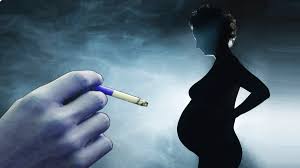
Secondhand smoke during pregnancy poses serious risks to both mother and child. It’s crucial to understand these dangers and take steps to avoid exposure for a healthier pregnancy and a safer start for your baby.
Understanding Secondhand Smoke and Pregnancy
Secondhand smoke, also called environmental tobacco smoke (ETS), is the smoke that comes from burning tobacco. This includes the smoke from a cigarette, cigar, or pipe. It also includes the smoke that has been exhaled by the smoker.
When you are pregnant, this smoke is not just an annoyance. It’s a direct threat to your developing baby. Your body and your baby breathe in the same harmful chemicals.
Even if you don’t smoke, you can still be exposed. This happens if someone else smokes around you. This exposure is called passive smoking.
It’s just as bad as smoking yourself. Your baby cannot escape the smoke if it’s in the air. They can’t move away from it.
This makes them very vulnerable.
The smoke contains over 7,000 chemicals. Many of these are toxic. Some are known to cause cancer.
When you breathe these in, they go into your bloodstream. Then, they pass through the placenta to your baby. This is a direct route of harm.
Your baby is getting all those bad chemicals directly. It’s like they are being exposed to them inside their own body.
Doctors and health experts agree. Avoiding secondhand smoke during pregnancy is vital. It’s one of the most important things you can do to protect your baby.
It’s not always easy to control other people’s habits. But it is essential to try. Your baby’s health depends on it.
My Own Close Call: A Friend’s Worry
I remember a friend, Sarah, when she was about six months pregnant. She was so excited. Her partner’s family came to visit.
They were lovely people, but they all smoked. They thought they were being considerate by smoking on the porch. Sarah had her windows open a bit because it was a nice day.
She didn’t think it was a big deal. She told herself it was too far away.
A few days later, she started feeling really unwell. Her baby wasn’t moving as much as usual. She got scared.
Really scared. She went to the doctor. They did some tests.
Thankfully, the baby was okay. But the doctor strongly advised her about smoke exposure. Sarah felt terrible.
She realized her “little bit of smoke” could have caused real harm. She learned that even a little exposure matters.
That experience really stuck with me. It showed me how subtle this danger can be. It’s not always obvious.
People don’t always realize how far smoke can travel. Or how sensitive a pregnant body and a developing baby are. Sarah learned to be very firm.
She asked people not to smoke anywhere near her home. It was hard at first. But her baby’s health was more important.
It’s a reminder that we need to be vigilant.
Quick Facts About Secondhand Smoke
What it is: Smoke from burning tobacco products and smoke exhaled by smokers.
How it affects pregnancy: It delivers harmful chemicals directly to the mother and baby.
Why it’s dangerous: It increases risks for birth defects, premature birth, and low birth weight.
Exposure points: Homes, cars, public places, and even “outdoor” areas near smokers.
The Specific Risks to You and Your Baby
Secondhand smoke does more than just irritate your lungs. It can affect your pregnancy in many serious ways. For you, it can increase your chances of certain problems.
You might experience more nausea. Your risk of placenta problems can go up. These are serious issues that need medical attention.
For your baby, the effects can be devastating. One of the most well-known risks is low birth weight. Babies born too small have more health problems.
They are more likely to get sick after birth. They might need extra care in the hospital. This can be a very stressful start for new parents.
Premature birth is another major concern. Babies born too early often have underdeveloped organs. They might struggle to breathe on their own.
They can have long-term developmental challenges. This is something no parent wants for their child. Secondhand smoke pregnancy risks are very real.
There’s also an increased risk of birth defects. This can include heart defects. It can also lead to breathing problems.
Even after birth, babies exposed to smoke are more likely to suffer from SIDS (Sudden Infant Death Syndrome). This is the unexplained death of a baby. It’s a tragedy that can often be prevented.
Your baby’s lungs are still developing. Smoke can damage them before they are even born. This can lead to lifelong breathing issues.
Asthma is more common in children exposed to smoke. They also tend to get more ear infections and colds. It’s a chain reaction of health problems.
The nicotine in the smoke can also affect your baby’s brain. The brain continues to grow rapidly during pregnancy. Nicotine can interfere with this important development.
It can impact how the brain forms. This could have lasting effects on learning and behavior. It’s a lot to think about.
But being informed is the first step to staying safe.
When is Exposure Most Likely?
You might think avoiding smokers is enough. But exposure can happen in many places. Homes are a big concern.
If anyone in your household smokes, even outside, the smoke can linger. It can stick to clothes, furniture, and carpets. Then, you breathe it in when you are inside.
Cars are another major risk. When someone smokes in a car, the air pollution is very concentrated. It doesn’t dissipate quickly.
Even with the windows down, the smoke is still trapped. It’s like a small, sealed box of toxins. Your pregnancy should be a smoke-free zone, especially in your car.
Public places can also be a problem. While many places are smoke-free now, not all are. You might encounter smokers at outdoor events.
Or at restaurants with outdoor seating. Or even just walking down a busy street. You need to be aware of your surroundings.
And know when to step away.
Sometimes, it’s not about outright smoking. It can be about thirdhand smoke. This is the residue that clings to surfaces.
It’s left behind by tobacco smoke. It can be on walls, furniture, and even toys. Babies can be exposed by touching these surfaces and then putting their hands in their mouths.
This is a newer area of research. But it’s another reason to ensure your home is completely smoke-free.
It’s important to remember that your baby cannot tell you they are being harmed. They rely on you to protect them. This means being proactive.
It means setting boundaries. It means communicating your needs clearly to friends and family. Most people want to support a healthy pregnancy.
They just need to know what you need from them.
Comparing Risks: Smoking vs. Secondhand Smoke
Direct Smoking: Highest risk. All chemicals directly inhaled by the smoker.
Secondhand Smoke: High risk. Inhaled by non-smokers from the environment.
Thirdhand Smoke: Emerging risk. Exposure to smoke residue left on surfaces.
Pregnancy Impact: All levels of exposure increase risks for the baby.
What This Means for You: Taking Control
It can feel overwhelming. You might feel like you have no control over other people. But you do have control over your environment.
You can create a safe space for yourself and your baby. This starts with communication. You need to talk to people about your needs.
If you live with smokers, this is the time for a serious talk. Explain the risks. Ask them to quit smoking completely.
If quitting isn’t possible right away, ask them to smoke only outside. And make sure they wash their hands and change clothes before holding you or coming near you. This is not being difficult.
It’s being a good protector for your baby.
If friends or family smoke, be clear about your boundaries. Let them know you can’t visit places where people smoke. Or that you can’t have them over if they’ve been smoking recently.
You can suggest meeting at places that are smoke-free. Many people will understand and respect your requests. If they don’t, it might be hard, but you may need to limit contact for your baby’s safety.
Your doctor is a great resource. They can provide information and support. They can also help you talk to family members about the risks.
Sometimes, hearing it from a medical professional makes a bigger impact. Don’t be afraid to ask your doctor for advice on how to handle difficult situations.
It’s also important to be aware of your rights. In many places, there are laws against smoking in public buildings and workplaces. Make sure you know these rules.
If you are being exposed at work, talk to your HR department. You have a right to a safe working environment, especially when you are pregnant.
Ultimately, what this means for you is empowerment. You have the power to make informed decisions. You have the power to create a healthy environment.
It might require some tough conversations. It might mean saying “no” to certain situations. But it is all worth it for the health and well-being of your precious baby.
Remember, your health and your baby’s health are the priority.
Quick Fixes and Tips for Avoiding Exposure
Here are some simple things you can do:
- Talk to everyone: Let your partner, family, and friends know you are pregnant and need to avoid smoke.
- Create smoke-free zones: Make your home and car completely smoke-free. No exceptions.
- Be a “no-smoke” advocate: If you see someone smoking near you, step away. Don’t hesitate.
- Choose smoke-free places: When eating out or attending events, always pick smoke-free venues.
- Wash up: If you’ve been around smokers, wash your hands and clothes. This removes lingering odors and residue.
- Ventilate: If someone has smoked nearby (even outside), open windows to let fresh air in.
- Educate yourself: Keep learning about the risks. Knowledge is your best defense.
- Seek support: Talk to your doctor or a local health clinic about quitting resources if you or your partner smoke.
My Car Story: A Strict New Rule
I remember one summer, I was driving my pregnant friend, Maria, to an appointment. Her husband, Carlos, had been in the car earlier that day. He smokes, but only outside, he always said.
Maria had asked him to keep the car smoke-free. But he’d been stressed and had a quick cigarette in the car before he left. He thought he aired it out.
As soon as I started the car, I noticed a faint smell. It wasn’t strong, but it was there. Maria took a deep breath and then looked a little pale.
She didn’t say anything at first. But I could see her worry. She was in her third trimester.
That faint smell felt like a huge problem. We both knew how sensitive she had to be.
When we got to the doctor’s office, she finally told me. She was so upset. She felt guilty for not telling Carlos off more strongly earlier.
She said she just didn’t want to cause trouble. But the doctor had already warned her. This was a big wake-up call for her.
She told Carlos that day, no smoking in the car, ever. Not even a quick puff. And that rule stuck.
It really highlighted how tiny traces can still be a concern for a pregnant woman.
When to Be Extra Cautious
Visiting homes with smokers: Even if they smoke outside, smoke can cling to their clothes and home.
Attending outdoor events: Parks, festivals, or barbecues where smoking might occur nearby.
Car rides with smokers: Even with windows down, car interiors trap smoke.
Public spaces with poor ventilation: Some waiting rooms or older buildings might still allow smoking indoors or have poor air circulation.
Frequent Questions About Secondhand Smoke and Pregnancy
Is it safe to be around someone who is smoking outdoors while pregnant?
It’s best to avoid it if possible. While smoke disperses more outdoors, it can still travel. Nicotine and other harmful chemicals can be inhaled.
If you can’t avoid it, try to stay as far away as possible. Moving upwind from the smoker is also helpful.
What if my partner smokes and wants to quit for the baby?
That’s fantastic! Quitting is one of the best gifts they can give you and your baby. There are many resources to help.
Your doctor can suggest programs, nicotine replacement therapies, or support groups. Be his biggest cheerleader and help him stay smoke-free for good.
How does secondhand smoke affect a baby’s development before birth?
Secondhand smoke exposes the developing baby to toxins like carbon monoxide and nicotine. Carbon monoxide reduces oxygen supply to the baby. Nicotine can slow growth.
This can lead to premature birth, low birth weight, and developmental problems. It can also affect lung development.
Can breathing in smoke for a short time cause harm?
Even brief exposure can be harmful. Pregnancy is a sensitive time. The baby’s organs are developing rapidly.
Any exposure to toxins can disrupt this process. It’s why creating a completely smoke-free environment is so important throughout the entire pregnancy.
What is the difference between secondhand and thirdhand smoke?
Secondhand smoke is the smoke inhaled from burning tobacco or exhaled by a smoker. Thirdhand smoke is the residue left behind on surfaces like clothes, furniture, and carpets. This residue can contain harmful chemicals that babies can be exposed to by touching and then mouthing surfaces.
Should I worry about thirdhand smoke from guests who smoked before visiting?
Yes, it’s wise to be cautious. If guests have smoked recently, their clothes can carry the residue. It’s a good idea to ask them to wash their hands and change into clean clothes before holding you or your baby.
Ensuring your home is a clean air zone is key.
Conclusion: A Breath of Fresh Air for Your Baby
Protecting your baby from secondhand smoke during pregnancy is vital. It’s a gift of health you can give them. By understanding the risks and taking steps to avoid exposure, you create a safer world for your little one.
Be clear about your needs. Lean on your support system. And always prioritize that clean, fresh air.
Your baby will thank you for it.

Related Posts

X Ray During Pregnancy Risk

Gel Manicure Pregnancy Uv