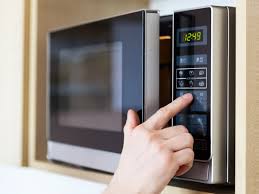
Microwave During Pregnancy Safe
It’s a question many expecting parents ponder. You’re trying to do everything right for your baby. Then a common appliance, like your microwave, becomes a source of worry.
Does using it harm the little one growing inside? This article aims to clear up the confusion. We’ll look at what science says.
We’ll also explore how to use your microwave safely while pregnant. You deserve peace of mind.
Using a microwave during pregnancy is generally considered safe. Modern microwaves meet strict safety standards. They are designed to contain radiation. The energy used to heat food does not make food radioactive. Proper use and ensuring the microwave is in good condition are key.
Understanding Microwave Use and Pregnancy
Microwaves work by using electromagnetic radiation. This is a type of energy. It causes water molecules in food to vibrate.
This vibration creates heat. It cooks your food quickly and efficiently. Many people worry about this radiation.
They wonder if it can pass through the microwave. They also wonder if it could affect a developing baby. Let’s break this down.
The microwaves produced by your appliance are non-ionizing. This is a very important distinction. Non-ionizing radiation does not have enough energy.
It cannot damage DNA or cells directly. Think of it like visible light or radio waves. They are all forms of non-ionizing radiation.
Ionizing radiation, like X-rays, is different. It has much more energy. It can harm cells.
Microwaves do not fall into that dangerous category.
Your microwave oven is built like a shielded box. It has a metal casing. It also has a metal mesh in the door.
These features are designed to keep the microwave energy inside. They trap it. This is why you don’t see the waves.
They are contained within the oven. This containment is crucial for safety. It’s the primary reason why radiation exposure is minimal.
The amount of radiation that might escape a properly working microwave is very, very small. It’s far below levels that are known to cause harm. Regulatory bodies in the United States set strict limits.
These limits ensure that ovens are safe for home use. They consider things like potential leakage over time. This means the device itself is designed with safety as a top priority.
My Own Microwave Scare
I remember one late evening when I was pregnant with my first child. I was exhausted. All I wanted was a quick, warm meal.
I grabbed some leftovers and popped them into the microwave. As the familiar hum started, a sudden thought struck me. Was this safe?
I pictured waves of energy zapping my baby. My heart started to pound. I felt a wave of panic.
Was I being careless? I immediately stopped the microwave. I spent the next hour Googling frantically.
It was an unsettling feeling. I was already worried about so many things. I didn’t need another one.
That experience taught me how important it is to get clear, reliable information. It’s easy to let worries spiral when you’re expecting.
Microwave Safety Checks
Door Seals: Make sure the door closes tightly. Check for any damage to the seals. Damaged seals could let out a tiny bit more energy.
Physical Damage: Look for dents or damage around the door or oven body. Any significant damage might affect shielding.
Operating Instructions: Always follow the manufacturer’s guide. Don’t run the microwave empty. Don’t let it run longer than needed.
So, the radiation itself isn’t the main concern. The energy used to heat food doesn’t linger. It doesn’t make your food radioactive.
Once the microwave stops, the radiation stops. It’s not like leaving a radioactive source near you. The energy dissipates very quickly.
This is a key point to remember. It helps separate fact from fiction.
The focus should be on how the microwave is used. And on the condition of the appliance. A well-maintained microwave is very safe.
It’s designed to protect you. It’s designed to protect your family. Think of it like any other appliance.
You use it as intended. You keep it in good shape. This is the best approach.
Food Safety is Key
While the microwave’s radiation is not a danger, food safety is always important. This is true whether you are pregnant or not. Microwaved food needs to be heated thoroughly.
This is to kill any harmful bacteria. Pregnant women are sometimes more vulnerable to foodborne illnesses. So, it’s extra important to be careful.
When you heat food in the microwave, ensure it’s steaming hot all the way through. Some foods can heat unevenly in a microwave. Cold spots can remain.
These cold spots might still contain bacteria. To check, stir your food halfway through heating. Then, check again after it’s done.
Make sure there are no cold areas.
Using microwave-safe containers is also a must. Certain plastics can melt or warp. They can also release chemicals into your food.
Always look for the “microwave-safe” label. Glass or ceramic dishes are usually good choices. Avoid using plastic wrap directly on food.
Steam can build up under it. This can cause it to melt. If you use plastic wrap, ensure it doesn’t touch the food.
Quick Food Heating Tips
- Stir Often: Stir food midway through cooking.
- Let It Stand: Allow food to stand for a minute or two after heating. This helps heat distribute evenly.
- Check Temperature: Make sure food is steaming hot throughout.
The temperature of the food is what matters most for safety. Not the method of heating. Many studies have looked into this.
They confirm that microwaved foods are as safe as foods heated by other methods. When heated properly, they pose no special risks. This is reassuring for anyone concerned about their diet during pregnancy.
Think about how often we use microwaves. They are in almost every home and office. They are used by millions of people every day.
Including pregnant women. If there were a significant risk, we would know by now. The widespread use and lack of reported issues speak volumes.
Expert Opinions and Guidelines
Health organizations and food safety experts are clear on this. The American College of Obstetricians and Gynecologists (ACOG) does not list microwave use as a concern for pregnant women. They focus on well-established risks.
These include certain foods to avoid and environmental exposures like lead or mercury.
The U.S. Food and Drug Administration (FDA) also provides guidance. They regulate microwave ovens.
They ensure they meet safety standards. The FDA states that microwave ovens are safe to use. They mention that the small amount of radiation that might leak is not harmful.
They compare it to the levels of radiation from other common sources.
Microwave Radiation vs. Other Sources
Microwave: Non-ionizing radiation, very low levels if any leakage.
Cell Phone: Non-ionizing radiation, held close to the head.
Wi-Fi Router: Non-ionizing radiation, present in many homes.
Sunlight: Non-ionizing radiation, can cause skin damage at high levels.
X-rays: Ionizing radiation, used in medical imaging, exposure is controlled.
It’s important to distinguish between different types of radiation. Non-ionizing radiation, like that from a microwave, is generally considered safe. Ionizing radiation, which includes X-rays and gamma rays, can be harmful.
Microwaves do not produce ionizing radiation. This is a critical difference. It’s why medical imaging uses lead shielding.
The amount of radiation from a microwave oven decreases rapidly with distance. Even if there were a tiny bit of leakage, standing a few feet away would significantly reduce your exposure. However, modern ovens are so well-shielded, this is rarely a practical concern.
The design itself is the primary safeguard.
Let’s talk about the heating process. Microwaves heat food from the outside in. Sometimes the center might be cooler.
This is why stirring is important. It’s a technique used by many people, pregnant or not. It ensures your meal is cooked evenly and safely.
This practice has nothing to do with radiation risk. It’s purely about food temperature.
Some people worry about specific parts of the microwave. Like the turntable. Or the control panel.
There is no scientific basis for these worries. The energy is generated within the magnetron. It is directed into the cooking cavity.
The external parts do not emit radiation. They are simply mechanical or electronic components.
Common Myths Debunked
There are many myths surrounding microwave use during pregnancy. Let’s address a few common ones. One myth is that microwaving food makes it lose nutrients.
This isn’t entirely true. All cooking methods can affect nutrient levels. Some methods actually preserve more nutrients.
Microwaving can be quite efficient. It uses less water and shorter cooking times. This can help retain more vitamins.
For example, steaming vegetables in the microwave might preserve more vitamin C than boiling them.
Another myth is that microwaved food is somehow “changed” at a molecular level by the radiation. This is not accurate. The radiation agitates water molecules.
It turns the energy into heat. It does not alter the chemical structure of the food in a harmful way. The food is simply heated.
Think of it like putting food on a hot stove. The heat changes the food, but not in a dangerous way. Microwaving is just a different way to apply heat.
Myth vs. Reality: Microwave Use
Myth: Microwaves make food radioactive.
Reality: Microwaves use non-ionizing radiation to heat food. They do not make food radioactive.
Myth: Radiation leaks from a microwave can harm a fetus.
Reality: Modern microwaves are well-shielded. Leakage is minimal and far below harmful levels.
Myth: Microwaved food is less nutritious.
Reality: Microwaving can preserve nutrients well due to short cooking times and less water use.
A persistent myth suggests that if you stand too close to a microwave while it’s on, you’ll be harmed. Again, this relates to the shielding. The oven is designed to contain the radiation.
Standing close to a properly functioning oven poses no significant risk. While it’s good practice to supervise children around appliances, there’s no special danger for pregnant women standing near the unit.
Some people believe that “organic” or “natural” foods should not be microwaved. This is a misunderstanding. The method of heating does not interact with the “organic” status of food.
The safety of microwaving relates to the appliance and the energy used, not the food’s origin.
It’s easy to fall into the trap of “better safe than sorry.” This is understandable when you’re pregnant. But sometimes, being “too safe” means avoiding perfectly safe practices. This can cause unnecessary stress.
Relying on evidence-based information is key to navigating these worries.
Practical Tips for Pregnant Users
So, what does this all mean for you? It means you can continue using your microwave with confidence. Here are some practical tips to ensure you’re using it in the safest way possible, not just for pregnancy, but for everyday use.
Inspect your microwave regularly. Look for any signs of damage. Check the door seal. If the door doesn’t close properly, or if the seal looks worn, it might be time to replace the appliance.
A small crack or bend in the metal door could also be an issue. Contact the manufacturer if you’re unsure.
Use microwave-safe containers. This is a general food safety rule. Avoid plastics that aren’t clearly marked. Look for the symbol.
It often looks like a microwave with wavy lines. Glass and ceramic are usually the safest bets. They don’t react with food.
They don’t warp or melt.
Avoid heating food in plastic wrap. If you must cover food, use a paper towel or a microwave-safe lid. Ensure the cover doesn’t touch the food. This prevents potential chemical transfer.
It also prevents the plastic from melting onto your meal.
Safe Container Guide
Best Options:
- Glass bowls and plates
- Ceramic dishes
- Microwave-safe plastic containers (check label)
Use with Caution or Avoid:
- Regular plastic wrap (let it not touch food)
- Plastic bags
- Styrofoam containers
- Brown paper bags
- Aluminum foil (can cause sparks)
Ensure food is heated thoroughly. This is crucial for food safety, especially during pregnancy. Stir your food. Check for hot spots.
Let it stand for a minute after cooking. This helps kill any bacteria. It makes your meal safe to eat.
Don’t operate a damaged microwave. If you notice any sparks, strange noises, or if the door is bent, stop using it immediately. These are signs that the shielding might be compromised. It’s not worth the risk.
Replace the unit.
Follow the manufacturer’s instructions. Every microwave is slightly different. Read the manual. Understand its specific features and safety guidelines.
For instance, some ovens have specific settings for different foods. Using these settings correctly can improve both cooking and safety.
Don’t stand directly in front of the microwave for prolonged periods. While the risk is minimal, it’s a sensible precaution. You don’t need to hover over it. Step back while it’s running.
This is good advice for everyone, not just pregnant women.
Real-Life Scenarios
Imagine you’re expecting twins. Your morning sickness is severe. You can barely keep anything down.
A warm bowl of oatmeal is one of the few things that settles your stomach. You reach for your microwave. You know you can heat it quickly and safely.
This simple convenience is a huge relief. It allows you to get the nutrients you need without added stress.
Or consider a single parent working late. They need to prepare a nutritious meal for their child and themselves. Microwaving a healthy frozen dinner or quickly heating up leftovers is a lifesaver.
It means they can still have a decent meal without spending hours in the kitchen. This is often when a microwave is most valuable. It provides practicality and efficiency.
Think about someone living in a small apartment. They might not have a full-sized oven. The microwave is their primary cooking appliance.
They rely on it for almost all their meal preparation. For them, its safety and reliability are paramount. The fact that it’s safe for pregnancy is a given for many.
In many parts of the U.S., especially during winter, people use microwaves to quickly warm up drinks. Hot cocoa, tea, or warmed milk are common. This adds comfort.
It helps in colder climates. The speed and ease of use make it ideal. This use case is very common and completely safe.
When is a Microwave Most Helpful?
- Quick Meals: Reheating leftovers or cooking single-serving meals.
- Busy Schedules: Saving time for parents or those with long work hours.
- Small Kitchens: Providing cooking capability where space is limited.
- Specific Dietary Needs: Quickly preparing warming drinks or soft foods for nausea.
The concern often stems from a lack of understanding about how microwaves work. The term “radiation” can sound scary. But it’s crucial to understand the different types.
And how appliances are designed to use them safely. The science behind microwave ovens is well-established. It has been for decades.
Regulatory bodies ensure these safety standards are met.
Many people have been using microwaves for decades. Without any ill effects. This history of safe use is a strong indicator.
It shows that the technology, when used correctly, is not a threat.
When to Seek More Advice
While microwaves are generally safe, it’s always good to know when to ask a professional. If you have a microwave that is visibly damaged, stop using it and get it checked. If you’ve had a specific incident, like food sparking or an unusual smell, it’s best to have it inspected.
For any concerns about your pregnancy, your doctor or midwife is your best resource. They can provide personalized advice. They can address specific health worries you might have.
They can reassure you based on your individual health situation. Don’t hesitate to bring up any concerns you have, no matter how small they seem.
If you are particularly worried about electromagnetic fields (EMFs) in general, there are resources available. However, it’s important to note that the scientific consensus is that the levels from household appliances like microwaves are not harmful. Your healthcare provider can help you find reliable information if you wish to explore this further.
Remember, the goal is to provide a safe and healthy environment for your baby. This includes managing stress. Worrying excessively about safe appliances can be more harmful than the appliance itself.
Focus on well-researched information and professional medical advice.
Frequently Asked Questions About Microwaves and Pregnancy
Is it safe to stand near the microwave while it’s running during pregnancy?
Yes, it is generally considered safe. Modern microwaves are designed to contain radiation effectively. The amount of radiation that might escape, if any, is very minimal and far below levels known to cause harm.
Regulatory bodies ensure these appliances meet strict safety standards.
Can microwave radiation harm my baby’s development?
No, microwave radiation is non-ionizing. It does not have enough energy to damage DNA or cells, which is what could potentially harm fetal development. The energy used simply heats the food by vibrating water molecules.
Should I avoid microwaving plastic containers while pregnant?
It is best to use only microwave-safe containers. Look for the “microwave-safe” label on plastic. This ensures the plastic won’t melt or release chemicals into your food.
Glass and ceramic are often the safest alternatives.
What if my microwave is old or a bit damaged?
If your microwave is old or shows signs of damage, especially around the door seal or casing, it’s wise to have it inspected or replaced. A damaged unit might not contain radiation as effectively as a new one.
Does microwaving food destroy nutrients, making it unsafe for pregnancy?
All cooking methods can affect nutrient levels. Microwaving, with its short cooking times and minimal water use, can actually preserve many nutrients well. As long as the food is heated thoroughly to kill bacteria, microwaved meals are safe and nutritious.
Are there any specific foods I should avoid microwaving when pregnant?
There are no specific foods that become unsafe when microwaved, provided they are heated thoroughly. The main concern is ensuring any food, regardless of how it’s heated, is cooked to a safe internal temperature to eliminate harmful bacteria.
Conclusion
Using a microwave during pregnancy is safe. The science is clear. These appliances are designed with safety in mind.
They contain radiation effectively. The key is to use a well-maintained microwave. And to heat your food properly.
This ensures it’s safe and nutritious for you and your baby. Enjoy the convenience without the worry.

Related Posts
X Ray During Pregnancy Risk

Gel Manicure Pregnancy Uv