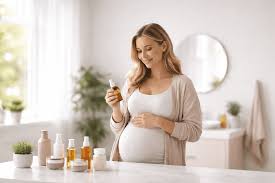
Sunscreen Ingredients Avoid Pregnancy
When pregnant, it’s wise to choose sunscreens with mineral ingredients like zinc oxide and titanium dioxide. Avoid chemical sunscreens that contain oxybenzone, avobenzone, or octinoxate, as these have raised some safety concerns for pregnant individuals. Always check labels and consult your doctor if you have specific worries.
Understanding Sunscreen and Pregnancy Concerns
Sunscreen is super important. It protects your skin from the sun’s harmful rays. These rays can cause sunburn.
They can also lead to skin damage over time. For pregnant people, there are extra things to think about. Your body is changing a lot.
Some chemicals in sunscreens can be absorbed into your skin. Scientists have looked into these chemicals. They wonder if they might affect a developing baby.
It’s natural to want to be extra careful. You want the best for yourself and your baby. This is why knowing which sunscreen ingredients to avoid during pregnancy is key.
The main worry is about chemical filters. These are ingredients that work by soaking up UV rays. Then they turn them into heat.
Examples include oxybenzone and octinoxate. Some studies suggest these might act like hormones in the body. This is called being an endocrine disruptor.
Hormones are important for growth. They manage many body functions. So, anything that might mess with hormones needs a closer look, especially during pregnancy.
This is when a baby’s body is forming and growing rapidly. Small changes can have bigger effects.
Mineral sunscreens are different. They use zinc oxide and titanium dioxide. These are physical blockers.
They sit on top of your skin. They create a barrier. This barrier physically reflects the sun’s rays away.
These ingredients are generally seen as safer. They are less likely to be absorbed into the bloodstream. That’s why many doctors suggest them for pregnant women.
They offer good protection without as much worry about systemic absorption.
My Own Sunscreen Scare During Pregnancy
I remember one summer when I was pregnant with my first child. I was so focused on eating right and taking my vitamins. Then, one sunny afternoon, I was heading to a park picnic.
I grabbed my usual sunscreen from the back of the bathroom cabinet. I slapped it on without really looking at the ingredients. It was a nice, light lotion.
It smelled faintly of coconut. I felt good about being protected. As I sat on the blanket, chatting with friends, I felt a slight itch on my arm.
I didn’t think much of it at first. Then it spread. My skin started to feel hot and red.
I looked down and saw a developing rash. Panic set in. What was I doing wrong?
Was it the food? Was it something in the air?
My friend, who was also pregnant, took a closer look at the bottle I’d left on the picnic table. She gently pointed to the list of ingredients. “You know,” she said softly, “some of these chemicals can be really harsh for pregnant skin.
Have you tried a mineral one?” I felt a flush of embarrassment, quickly followed by a wave of concern. I hadn’t even considered that my everyday sunscreen might be a problem. That day taught me a valuable lesson.
It’s not just about the big dietary choices. It’s also about the small things we put on our bodies. I ended up going home early.
I spent the rest of the day with cool compresses on my itchy, red skin. I vowed to do my homework and find the best, safest options for my pregnancy journey. It felt like a small thing, but it was another piece of the puzzle of keeping my baby safe and healthy.
Common Sunscreen Ingredients & Their Roles
Chemical Filters
These absorb UV rays. They convert them into heat. This heat is then released from the skin.
- Oxybenzone
- Avobenzone
- Octinoxate
- Octisalate
- Homosalate
Mineral Filters (Physical Blockers)
These sit on top of the skin. They create a physical shield. They bounce UV rays away.
- Zinc Oxide
- Titanium Dioxide
The Chemical Sunscreen Ingredients to Watch For
Let’s dive deeper into the specific ingredients that often come up in discussions about pregnancy and sunscreen. These are primarily the chemical UV filters. They are effective at blocking the sun.
But they also have properties that lead to caution for expectant mothers.
Oxybenzone (Benzophenone-3)
This is one of the most studied chemical UV filters. It’s found in many sunscreens. It’s also in some lotions and lip balms.
The concern is that oxybenzone can be absorbed through the skin. Studies in animals have suggested it might affect hormones. It’s also been found in breast milk and urine.
For pregnant women, the worry is that it could potentially cross the placenta. This could affect the baby’s development. Because of these concerns, many dermatologists and health organizations recommend avoiding sunscreens with oxybenzone during pregnancy.
Avobenzone
Avobenzone is another chemical filter. It’s good at blocking UVA rays. These rays cause skin aging.
It is often combined with other filters. Like oxybenzone, it can be absorbed into the body. Some research points to potential endocrine disruption.
While it might be considered less of a concern than oxybenzone by some, many still advise caution. It’s best to be aware of it and perhaps choose alternatives.
Octinoxate (Ethylhexyl Methoxycinnamate)
This ingredient is widely used. It’s very good at blocking UVB rays. These are the rays that cause sunburn.
Similar to oxybenzone, octinoxate can be absorbed into the skin. It has also been flagged as a potential endocrine disruptor. There are studies that link it to thyroid hormone disruption.
The thyroid is vital for development. So, this is another ingredient to be mindful of when selecting a sunscreen for use during pregnancy.
Octisalate and Homosalate
These are also chemical UV filters. They help absorb UVB rays. They are often found in sunscreens.
They are sometimes used to make a sunscreen feel less greasy. Like the others, they can be absorbed by the skin. Research into their long-term effects, especially during pregnancy, is ongoing.
However, to err on the side of caution, many experts suggest avoiding these as well.
Retinyl Palmitate
This one is a bit different. Retinyl palmitate is a form of vitamin A. It’s sometimes added to sunscreens.
It’s thought to help protect the skin from sun damage. However, vitamin A derivatives, like retinol, are generally advised against during pregnancy. High doses of vitamin A can cause birth defects.
While the amount in sunscreen is usually small, and it’s a topical application, the general advice is to avoid it. It’s best to stick to pregnancy-safe ingredients. This is one of those ingredients that causes confusion because it’s a vitamin.
But when it’s a derivative that can convert to a form of vitamin A that might pose a risk, it’s safer to skip it.
Quick Guide: Ingredients to Lean Towards
The “Safe Bets” for Pregnancy
These are your go-to ingredients. They work by forming a physical barrier.
- Zinc Oxide: Broad-spectrum protection. Gentle on skin.
- Titanium Dioxide: Also offers broad-spectrum protection.
Look for “mineral sunscreen” or “physical sunscreen” on the label.
The Power of Mineral Sunscreens for Moms-to-Be
Mineral sunscreens are the stars of the show when it comes to pregnancy safety. They use ingredients that don’t get absorbed into your skin. They simply create a physical shield.
This shield works like a shield for your skin. It bounces the sun’s harmful rays away. This makes them a much preferred option for many pregnant individuals.
Zinc Oxide
Zinc oxide is fantastic. It provides broad-spectrum protection. This means it protects against both UVA and UVB rays.
UVA rays cause aging. UVB rays cause burning. Zinc oxide is also known for being gentle.
It’s often used in diaper rash creams for this reason. It’s less likely to irritate sensitive or changing pregnancy skin. It doesn’t need to be absorbed to work.
It just sits on the skin’s surface. This is a big plus when you’re concerned about what your body is taking in.
Titanium Dioxide
Titanium dioxide is the other main mineral ingredient. Like zinc oxide, it offers broad-spectrum protection. It works by blocking UV rays from reaching your skin.
It’s also generally considered very safe and non-irritating. It’s often found alongside zinc oxide in mineral sunscreens. Sometimes, you might see “non-nano” on the label for these ingredients.
“Nano” refers to very tiny particles. The concern with nano-sized particles is that they could potentially be absorbed. However, current research suggests that even nano zinc oxide and titanium dioxide are not significantly absorbed through healthy skin.
But many people still prefer the “non-nano” label to be extra sure. It’s a personal preference, but both nano and non-nano mineral sunscreens are considered safe for pregnancy.
The key benefit of mineral sunscreens is their safety profile. They act as a physical barrier. They don’t rely on chemical reactions within the skin.
This minimizes the risk of absorption into the bloodstream. For pregnant individuals, this is the most reassuring aspect. You can feel confident that you are protecting yourself from the sun.
You are also minimizing any potential exposure of your baby to questionable chemicals.
Mineral vs. Chemical Sunscreens: A Quick Look
Mineral Sunscreens
- How they work: Physical barrier on skin
- Active Ingredients: Zinc Oxide, Titanium Dioxide
- Absorption: Very little to none
- Pregnancy Safety: Generally considered very safe
- Pros: Gentle, effective, low absorption risk
- Cons: Can sometimes leave a white cast (though formulas are improving)
Chemical Sunscreens
- How they work: Absorb UV rays, convert to heat
- Active Ingredients: Oxybenzone, Avobenzone, Octinoxate, etc.
- Absorption: Can be absorbed into bloodstream
- Pregnancy Safety: Some ingredients are a concern
- Pros: Often feel lighter, blend in easily
- Cons: Potential for hormonal disruption, absorption concerns
Real-World Sunscreen Choices and Habits
Navigating the sunscreen aisle can be a challenge, especially with all the new information. Many people find themselves standing there, reading ingredient lists. They try to decipher what’s what.
It’s a common experience. You want to make a good choice. You want to feel good about what you’re using on your body and for your baby.
In American homes, sunscreen use is becoming more common. People are more aware of sun damage. They know about skin cancer risks.
This is a good thing. But the sheer variety of products can be confusing. Many mainstream brands offer a mix of chemical and mineral filters.
Some are specifically marketed as “reef-safe,” which often means they avoid oxybenzone and octinoxate. These can be good starting points, but it’s still vital to check the full ingredient list.
Habits play a big role too. If you’ve used the same sunscreen for years, it’s hard to switch. You might like the texture or the way it smells.
But when pregnancy comes along, it’s a good time to re-evaluate. Many pregnant individuals develop new sensitivities. Their skin might react differently.
What worked before might not work now. This often leads them to seek out gentler, more natural options. Mineral sunscreens fit this need well.
They are often hypoallergenic and fragrance-free.
Design and materials also matter. Sunscreen packaging often highlights “broad-spectrum” or “SPF 50.” These are important. But they don’t tell the whole story about the ingredients.
Some brands are making an effort to be clearer. They might label themselves as “baby-safe” or “sensitive skin” formulas. These can be indicators of more carefully selected ingredients.
Looking for these labels can help narrow down choices. However, always double-check the ingredient list to be sure. Don’t rely solely on marketing terms.
Your health and your baby’s health are too important.
When Sun Exposure is Necessary: Making Smart Choices
Balancing Protection and Activity
Even with sunscreen, it’s smart to limit direct sun exposure during peak hours (10 am to 4 pm).
- Seek Shade: Use umbrellas or find shady spots when outdoors.
- Wear Protective Clothing: Long sleeves, pants, and wide-brimmed hats offer excellent protection. Many brands now offer UPF (Ultraviolet Protection Factor) clothing.
- Sunglasses: Protect your eyes with UV-blocking sunglasses.
- Lip Balm with SPF: Don’t forget your lips! Use a balm with zinc oxide or titanium dioxide.
These simple habits add an extra layer of safety.
What This Means for You: Normal vs. Concerning
Understanding which sunscreen ingredients to avoid during pregnancy is about making informed choices. It’s not about living in fear. It’s about choosing the safest path for you and your baby.
Most of the time, using a sunscreen with mineral blockers is perfectly normal and recommended. You’re taking a proactive step for your health.
When should you worry? You might worry if you’ve been using a chemical sunscreen regularly during your pregnancy without realizing it. Or if you’re experiencing skin irritation from a sunscreen.
This could be a sign of a sensitivity. It might also mean the ingredients are not agreeing with your skin. In these cases, it’s a good time to switch.
Consulting with your doctor or a dermatologist is always a wise step. They can offer personalized advice. They can help you find products that are best for your specific needs.
Simple checks can help you stay on track. Before buying a new sunscreen, take a moment to look at the active ingredients. Are they zinc oxide or titanium dioxide?
If you see oxybenzone, octinoxate, or retinyl palmitate, it’s probably best to put that one back on the shelf. Look for sunscreens that clearly state “mineral” or “physical” on the front. These are usually safe bets.
Most major drugstores and supermarkets carry a good selection of these pregnancy-friendly options now.
Simple Checks for Pregnancy-Safe Sunscreen
Your Quick Checklist
- Active Ingredients: Look for Zinc Oxide and/or Titanium Dioxide.
- Avoid These: Oxybenzone, Octinoxate, Octisalate, Homosalate, Retinyl Palmitate.
- Label Says: “Mineral Sunscreen” or “Physical Sunscreen” is a good sign.
- Fragrance-Free: Often better for sensitive or changing pregnancy skin.
- Hypoallergenic: Another good indicator of gentler formulas.
A quick scan can save you worry.
Tips for Safer Sun Protection While Pregnant
Making the switch to mineral sunscreens is a great first step. But there are other ways to ensure you and your baby are protected from the sun’s harmful rays.
- Choose Broad-Spectrum Protection: Always look for sunscreens that offer broad-spectrum coverage. This means they protect against both UVA and UVB rays. Your skin needs protection from both types of damage.
- High SPF is Good, but Not Everything: Aim for an SPF of 30 or higher. SPF (Sun Protection Factor) mainly measures protection against UVB rays. While important, it’s the combination of UVA and UVB protection that matters most. Mineral sunscreens naturally offer broad-spectrum protection.
- Reapply Often: Sunscreen doesn’t last all day. You need to reapply it every two hours. You also need to reapply after swimming or sweating. Even water-resistant sunscreens lose their effectiveness over time.
- Don’t Forget Other Sun Protection: Sunscreen is only one part of sun safety. Wearing protective clothing is vital. A wide-brimmed hat can shield your face, neck, and ears. Sunglasses protect your eyes. Seeking shade during peak sun hours is also a simple yet effective strategy.
- Be Mindful of Pregnancy Melasma: Many pregnant women develop melasma, also known as the “mask of pregnancy.” This causes dark patches on the face. Sun exposure can make melasma worse. So, diligent sun protection is even more important during pregnancy. Mineral sunscreens are often recommended for sensitive skin conditions like melasma.
- Consult Your Healthcare Provider: If you have any doubts or concerns about sunscreen ingredients or your sun protection routine, always talk to your doctor or midwife. They can provide the most accurate and personalized advice. They know your health history and can guide you best.
Frequently Asked Questions About Pregnancy and Sunscreen
Are chemical sunscreens completely unsafe during pregnancy?
Most experts recommend avoiding chemical sunscreens with ingredients like oxybenzone and octinoxate during pregnancy. This is due to potential absorption and concerns about endocrine disruption. However, the research is ongoing, and the actual risk to a fetus is not fully understood.
Mineral sunscreens are the safer, more recommended choice.
Can I use sunscreen with avobenzone while pregnant?
Avobenzone is a chemical filter that absorbs UVA rays. While it might be considered less of a concern than oxybenzone by some, it can still be absorbed into the body. Many still advise caution.
It’s generally better to opt for mineral sunscreens with zinc oxide or titanium dioxide for pregnancy.
What does “non-nano” mean on mineral sunscreens?
“Non-nano” means the zinc oxide or titanium dioxide particles are larger. They are not small enough to be considered “nano” sized. The idea is that larger particles are even less likely to be absorbed by the skin.
However, current scientific consensus suggests that even nano mineral particles are not significantly absorbed through healthy skin. Both nano and non-nano mineral sunscreens are considered safe for pregnancy.
Is it okay to use a sunscreen that was not specifically labeled for pregnancy?
Yes, it is generally okay to use a sunscreen that isn’t specifically labeled “for pregnancy,” as long as it contains safe ingredients. The key is to check the active ingredients. Focus on mineral sunscreens with zinc oxide and titanium dioxide.
Avoid the chemical filters mentioned as concerns.
What if I’m allergic to zinc oxide or titanium dioxide?
Allergies to zinc oxide and titanium dioxide are rare. If you suspect an allergy, do a patch test on a small area of skin first. If you are truly allergic, discuss alternatives with your doctor.
They might be able to recommend specific formulations or other protective strategies.
Can I use self-tanner instead of sunscreen?
Self-tanners do not protect your skin from UV radiation. They work by coloring the top layer of skin cells. They do not contain SPF.
If you are using a self-tanner, you still need to wear sunscreen to protect yourself from sun damage. Some self-tanners do have added SPF, but it’s usually low and not a substitute for a dedicated sunscreen.
Embracing Sun Safety for a Healthy Pregnancy
Navigating pregnancy brings many questions, and sunscreen is a common one. You want to enjoy the outdoors safely. You also want to protect your little one.
Knowing which ingredients to choose and which to skip makes a big difference. Mineral sunscreens with zinc oxide and titanium dioxide are your best friends during this time. They offer great protection without the absorption concerns of chemical filters.
Remember to reapply often and use other sun protection methods like hats and clothing. You’ve got this! Making informed choices today leads to a healthier tomorrow for you and your baby.

Related Posts

X Ray During Pregnancy Risk

Gel Manicure Pregnancy Uv