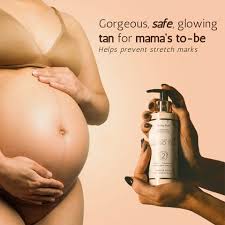
Self Tanner Pregnancy Safe
The general consensus among dermatologists and health experts is that most sunless tanning products are safe to use during pregnancy. The active ingredient, dihydroxyacetone (DHA), works on the outer layer of your skin and is not absorbed into your bloodstream. However, it’s always wise to choose products carefully and patch-test.
Understanding Sunless Tanning and Pregnancy
So, what exactly is in that bottle of sunless tanner? The magic ingredient is usually dihydroxyacetone, or DHA. This is a sugar-derived compound.
When you apply it to your skin, it reacts with amino acids in the top layer of your skin. This reaction creates a temporary browning effect. Think of it like toasting bread; it changes the color of the surface.
The really good news here is that DHA is too large a molecule to pass through your skin and into your bloodstream. It stays on the surface. This is why most health professionals consider it safe.
It doesn’t get “inside” your body in a way that could reach your baby. This is a key point many people worry about.
Pregnancy can bring a lot of changes to your body. Sometimes, your skin might react differently than before. You might notice new sensitivities or changes in pigmentation.
This is why it’s always a good idea to be extra mindful of what you put on your skin. We want to keep everything gentle and safe.
Many other ingredients are found in self-tanners. These can include moisturizers, color enhancers, and preservatives. While DHA is the main focus for safety, it’s smart to look at the whole ingredient list.
Are there any ingredients you’ve reacted to before? If you have sensitive skin, this is even more important.
When you’re pregnant, your body is working hard. You’re providing nourishment and a safe space for your little one to grow. The last thing you need is to worry about the products you use on your skin.
Our goal is to make choosing a self-tanner simple and stress-free.
My Own Self-Tanner Journey During Pregnancy
I remember it well. I was about five months pregnant, and the winter blues were really getting to me. My usual summer glow had completely faded.
I looked in the mirror and felt so pale. I wanted to feel a bit more like myself, you know? More put-together and just… less like a ghost.
I immediately thought of my trusty self-tanner. But then, the big question hit me: “Is this safe for the baby?” I started doing some frantic searching online. Some sites said yes, some said no, and some were just confusing.
It felt overwhelming, and honestly, a little scary. I felt a knot of worry in my stomach.
I decided to talk to my OB-GYN. She explained the DHA situation, just like I’m explaining it now. She told me the molecule size and where it acts on the skin.
She also advised me to avoid tanning beds completely, which is a no-brainer during pregnancy anyway. Tanning beds emit harmful UV rays.
She suggested I try a product that was fragrance-free and had a simple ingredient list. And most importantly, she told me to do a patch test. This seemed like solid, practical advice.
I went to the store and found a mousse that seemed to fit the bill. I remember the faint, slightly chemical smell, but it wasn’t strong.
I did the patch test on my inner arm. I waited 24 hours. Nothing!
No redness, no itching. That was a huge relief. I then carefully applied it, following the instructions to the letter.
I made sure to exfoliate thoroughly beforehand. That made a big difference in how even the tan looked.
The result was a gentle, natural-looking tan. It wasn’t an “orange” disaster. It was just enough to make me feel a bit brighter.
That little bit of color made me feel more confident in my maternity clothes. It was a small thing, but it made a real difference in my mood during a time when my body was changing so much.
Choosing Your Safe Self-Tanner
When you’re pregnant, you want to be extra careful about what you choose. It’s not just about the tan itself, but the whole package. Here’s what to look for.
Think of this as your smart shopping list for a glowing, worry-free tan.
Key Ingredients to Look For (and Why)
DHA (Dihydroxyacetone): This is the star player. It’s generally considered safe because it only affects the top layer of your skin. It’s not absorbed into your body.
Moisturizers: Look for ingredients like shea butter, hyaluronic acid, or glycerin. These help keep your skin hydrated. This is important for a smooth application and an even tan.
Dry patches can make a tan look blotchy.
Natural Oils: Some products include oils like coconut oil or jojoba oil. These are gentle and nourishing. They can help create a lovely, dewy finish.
Ingredients to Be Cautious About
Fragrance: While not harmful in terms of absorption, artificial fragrances can irritate sensitive skin. Pregnancy can sometimes make skin more reactive. Opt for fragrance-free or naturally scented options.
Parabens: Some people prefer to avoid parabens. While research is ongoing, many brands offer paraben-free formulas. This is a personal choice for many.
Certain Preservatives: Similar to parabens, some women prefer to avoid certain preservatives. Again, many brands are formulated without them.
It’s also smart to check reviews from other pregnant women. They often share their experiences with different products. Did it cause any irritation?
Did it smell too strong? This real-world feedback can be super helpful. Finding a brand that’s known for being gentle is a good start.
Consider the product type too. Mousses and lotions are common. Lotions often have more moisturizing ingredients.
Mousses can be lighter and dry faster. Sprays are also an option, but you need to be careful with inhalation. If you use a spray, ensure the room is well-ventilated.
Many brands now cater to pregnant women. They highlight their “pregnancy-safe” formulas. This makes the shopping process much easier.
You can often find these details right on the product packaging or the company’s website. It gives you extra peace of mind.
Quick Scan: Product Types
- Lotions/Creams: Great for hydration, good for dry skin.
- Mousses: Dry fast, easy to spread.
- Sprays: Quick application, ensure ventilation.
- Wipes: Convenient for touch-ups or travel.
Remember, the key is to stick to products that work on the skin’s surface. This means avoiding anything that claims to deeply penetrate or alter skin structure. DHA is your friend here.
Anything that promises a “deep tan” that lasts for weeks might be using different mechanisms.
How to Apply Self-Tanner Safely While Pregnant
Applying self-tanner while pregnant isn’t too different from usual. But a few extra steps can make it even safer and give you a better result. Think of it as a little pampering session for yourself.
Here’s how to get that lovely glow safely.
Preparation is Key
Exfoliate: This is non-negotiable. Use a gentle body scrub or an exfoliating mitt. Focus on knees, elbows, and ankles.
This removes dead skin cells. It helps the tanner go on smoothly and prevents dark patches.
Shave (if desired): If you shave, do it before exfoliating. This helps avoid irritation. Shaving also opens up pores, which can lead to uneven absorption.
Moisturize Dry Areas: Apply a thin layer of plain, unscented moisturizer to your knees, elbows, hands, and feet. These areas tend to absorb more tanner. This “barrier” method helps them blend in better.
When you’re applying the actual tanner, use a mitt. A tanning mitt is your best friend. It protects your hands from streaks and stains.
It also helps you spread the product evenly. Apply in long, sweeping motions. Blend well at the edges, especially at your wrists and ankles.
Ventilation is Crucial: Open a window or turn on a fan. This helps clear the air. It makes the whole process more pleasant.
It also helps prevent you from inhaling any fumes. This is especially important if you’re using a spray or a mousse with a noticeable scent.
Don’t forget your back! It can be tricky. If you have a partner, ask for help.
If not, a back applicator tool can be very useful. It’s designed to help you reach those awkward spots. Getting an even tan all over feels so much better.
After application, wash your hands thoroughly. Pay attention to the palms and between your fingers. Even with a mitt, some tanner can get on your hands.
Wait for the recommended drying time before dressing. Choose dark, loose clothing to avoid transfer. You don’t want to stain your favorite outfit!
Application Tips for a Flawless Finish
Use a Mitt: Always use a tanning mitt for even application and to protect your hands.
Long Strokes: Apply in long, sweeping motions. Don’t rub it in like lotion.
Blend Well: Pay extra attention to wrists, ankles, and knees. Feather the edges.
Go Lightly on Extremities: Use the leftover tanner on your mitt for your hands and feet. Don’t apply fresh product.
Wait to Dress: Allow the tanner to dry completely. Wear loose, dark clothing.
Wash off the guide color (the initial bronzer) after the recommended development time. This usually takes a few hours. You’ll be left with your natural-looking tan.
Remember to moisturize daily after this. This helps your tan fade evenly.
Real-World Scenarios and Considerations
Let’s think about when and where you might use self-tanner during pregnancy. It’s not just about special occasions. Sometimes, it’s about those everyday moments.
It’s about feeling good in your skin, even when your body is going through massive changes.
The “I Have an Event” Scenario: You have a baby shower, a wedding, or a date night. You want to look and feel your best. A gentle self-tan can give you that confidence boost.
It can help you feel more “normal” and less focused on the physical changes.
The “Winter Blues” Scenario: Many pregnant women experience this, especially if they live in colder climates. You just feel dull and uninspired. A touch of color can lift your spirits.
It’s like a mini-vacation for your skin. It reminds you of sunnier days.
The “Body Image” Scenario: Pregnancy can be tough on body image. Your shape is changing rapidly. For some, a little color can help the skin look smoother and more toned.
It can make you feel more comfortable and accepting of your changing body. It’s a personal boost.
The “Stretch Mark Camouflage” Scenario: Some women find that a light tan can subtly minimize the appearance of stretch marks. The color makes them blend in a bit more. It’s not a magic fix, but it can help some feel more confident.
The “Sunburn Avoidance” Scenario: Let’s be real, pregnant women are often told to avoid sun exposure. This is partly due to hormonal changes that can cause melasma (dark patches). Self-tanner is a much safer way to get a tanned look than lying in the sun.
You get the color without the UV damage.
What about specific times of day? Many people prefer to apply self-tanner in the evening before bed. This allows the tan to develop overnight.
You wake up with your glow ready to go. Plus, you avoid the sticky feeling during the day.
If you’re working, applying it might need to be on a weekend. Or perhaps a quiet evening. Planning is key.
Think about your schedule. When do you have a few hours to let it dry and develop without interruption?
Consider your environment. If you live in a humid climate, the drying time might be a bit longer. If you live in a dry climate, it might be faster.
Always follow the product instructions for drying and rinsing.
When to Be Extra Cautious
First Trimester: While generally safe, some women prefer to wait until the second trimester to start using any new beauty products. This is purely personal preference.
Sensitive Skin: If you have eczema, psoriasis, or very sensitive skin, proceed with extra caution. Always patch test and choose the gentlest formulas.
Inhaling Sprays: If using spray tanners, wear a mask to avoid inhaling the mist. Ensure the area is very well-ventilated.
It’s important to note that some older advice might suggest avoiding self-tanners. This often came from concerns about ingredients that are no longer common or were misunderstood. Modern formulations with DHA are widely considered safe.
What This Means for You and Your Baby
The main takeaway here is peace of mind. Knowing that you can achieve a pleasant, healthy-looking glow without putting your baby at risk is empowering. It’s about making choices that make you feel good, inside and out.
Normal Glow, Normal Pregnancy: A light, even tan from a DHA-based product is perfectly normal. It’s a cosmetic choice that doesn’t affect your baby’s development. Your baby is protected by the placenta and the way your body works.
When to Worry (and What to Worry About): The real concerns during pregnancy aren’t about DHA. They are about UV exposure from the sun or tanning beds. These can increase your risk of skin cancer and cause harmful effects.
Always avoid direct sun tanning and tanning beds.
Another thing to watch for is skin irritation. If you notice redness, itching, or a rash after using a self-tanner, stop immediately. This could be a reaction to an ingredient in the product, not necessarily the DHA itself.
Discontinue use and if symptoms persist, see your doctor.
Simple Checks You Can Do:
- Read ingredient lists carefully.
- Choose products with minimal, familiar ingredients.
- Always perform a patch test 24 hours before full application.
- Ensure good ventilation during application.
- Avoid inhaling any spray mists.
- Wash hands thoroughly after application.
Think about how you’re feeling physically and emotionally. If using self-tanner helps you feel more confident and comfortable during your pregnancy, that’s a positive thing. Your well-being is important.
A little bit of self-care can go a long way.
It’s also a good idea to discuss any beauty product usage with your healthcare provider. They know your specific health history. They can offer the most personalized advice for your situation.
Don’t hesitate to ask them those burning questions.
Quick Tips for a Natural Tan
Want that “just back from vacation” look? Here are some simple ways to get a more natural-looking tan with your self-tanner.
- Start Slow: If you’re new to self-tanning or pregnant, begin with a gradual tanner. These build color over several days. They offer more control.
- Less is More: Apply a thin layer. You can always add more later if needed. It’s easier to build color than to fix an overly dark tan.
- Exfoliate Regularly: Keep your skin smooth by exfoliating every few days. This helps your tan fade evenly.
- Moisturize Daily: Keeping your skin hydrated makes the tan last longer. It also helps it fade without patchiness.
- Blend, Blend, Blend: This is the golden rule. Take your time to blend all edges.
- Use a Tanning Mitt: Seriously, this makes all the difference for a streak-free finish.
- Avoid Water for Development Time: Stick to the product’s recommended time before rinsing.
Myth vs. Reality
Myth: Self-tanner is absorbed into your bloodstream and harms the baby.
Reality: DHA, the active ingredient, works on the skin’s surface. It’s too large to be absorbed systemically.
Myth: All self-tanners have a strong, unpleasant smell.
Reality: Many modern formulas are fragrance-free or have very mild scents. Look for these options.
Myth: You can’t get an even tan while pregnant.
Reality: With proper preparation and application, you can achieve a beautiful, even tan.
Remember that hormonal changes during pregnancy can sometimes affect skin. This might make your tan develop differently than usual. What worked before might need a slight adjustment.
Be patient with yourself and your skin.
Frequently Asked Questions About Self-Tanner and Pregnancy
Are self-tanners safe to use during pregnancy?
Yes, most self-tanners are considered safe during pregnancy. The active ingredient, DHA, works on the outermost layer of skin and is not absorbed into the bloodstream. Always choose products with simple ingredients and patch test.
What is DHA and why is it considered safe?
DHA (dihydroxyacetone) is a sugar derivative that reacts with amino acids in the stratum corneum (the outer layer of skin) to create a temporary browning effect. Its large molecule size prevents it from being absorbed into the bloodstream, making it safe for topical use.
Should I avoid any specific ingredients in self-tanners while pregnant?
While DHA is safe, you might want to avoid artificial fragrances and certain preservatives if you have sensitive skin or prefer to be extra cautious. Look for fragrance-free and minimal-ingredient formulas.
Can I use spray tans or tanning beds during pregnancy?
Spray tans can be used if done in a well-ventilated area with protective measures like a mask to avoid inhalation. Tanning beds, however, should be avoided completely due to harmful UV radiation.
What is the best way to apply self-tanner while pregnant?
Preparation is key. Exfoliate thoroughly, shave if desired, and moisturize dry areas like knees and elbows. Use a tanning mitt for even application, and ensure good ventilation during application.
Wash hands well afterwards.
How long does a self-tan typically last?
A self-tan typically lasts 5-7 days. Its lifespan depends on your skin’s natural exfoliation rate and how well you moisturize. Regular moisturizing helps the tan fade evenly.
Can self-tanner help with stretch marks during pregnancy?
Some women find that a light self-tan can subtly camouflage the appearance of stretch marks by making them blend in more with the surrounding skin tone. It does not treat or remove stretch marks.
My skin is more sensitive during pregnancy. What should I do?
If your skin is more sensitive, opt for fragrance-free, hypoallergenic self-tanners. Always perform a patch test on a small, inconspicuous area of skin 24 hours before applying all over. Listen to your skin and stop if any irritation occurs.
Wrapping Up Your Glow-Up
Navigating pregnancy means making informed choices about your health and well-being. When it comes to self-tanner, the news is good! You can safely enjoy that lovely, healthy glow.
Focus on simple ingredients, proper application, and your own comfort. Feeling good about yourself is part of taking care of yourself during this special time. Enjoy your radiant glow!

Related Posts

X Ray During Pregnancy Risk

Gel Manicure Pregnancy Uv