Bpa And Pregnancy Risk
BPA is a chemical found in many plastics and can linings. It can be a concern during pregnancy because it may act like a hormone in the body, potentially affecting fetal development and maternal health. Understanding its sources and risks helps in making safer choices.
What is BPA?
BPA stands for Bisphenol A. It’s a chemical. It’s been used for a long time. Manufacturers use it to make certain plastics. They also use it in the lining of food cans. This lining helps prevent the can from rusting. It also keeps food from touching the metal directly. This sounds helpful. But BPA can leach out. It can get into food and drinks. This can happen when containers are heated. It can also happen if they are scratched or old.
Why is BPA a Concern During Pregnancy?
During pregnancy, your body is going through many changes. A baby is growing inside. They are very sensitive. BPA is called an endocrine disruptor. This means it can mess with your body’s hormones. Hormones are like messengers. They tell your body what to do. BPA can copy some hormones. It can also block others. This can affect growth and development. For a developing baby, this is a big deal. It can impact how organs form. It can also affect brain development. For the pregnant person, it can also cause issues. These might include changes in blood pressure. It could also affect metabolism.
Where Do We Find BPA?
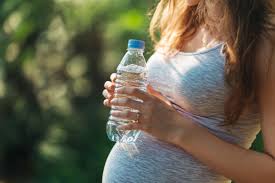
BPA is quite common. You might be surprised. It’s in many everyday items. Think about food and drink containers. Many reusable plastic water bottles used to contain BPA. Look for a recycling symbol. If it’s number 7, it might have BPA. Many canned foods have BPA in their linings. This includes things like soup, beans, and tomatoes. Some thermal paper receipts also contain BPA. Handling these and then touching your mouth can expose you. Certain medical devices can also have BPA. Some dental sealants used to have it too.
Common BPA Sources at a Glance
Food Cans: Lining of cans for soup, fruit, vegetables, and meat.
Plastic Food Containers: Some reusable containers, especially older ones.
Water Bottles: Some reusable polycarbonate plastic bottles.
Receipts: Thermal paper used for many store receipts.
Baby Bottles: Older styles of polycarbonate baby bottles.
Other Items: Some toys, CDs, and dental sealants.
How BPA Affects Pregnancy: What the Science Says
Research is ongoing. Scientists are studying BPA’s effects. Some studies show links between BPA exposure and pregnancy problems. These might include issues like preeclampsia. This is high blood pressure during pregnancy. It can be serious. Some research also looks at preterm birth. This is when a baby is born too early. BPA might also affect the baby’s growth. It could lead to a lower birth weight.
There’s also interest in how BPA affects the baby’s future health. Some studies suggest it might play a role. It could affect reproductive development later in life. It might also be linked to obesity or asthma in children. It’s important to remember these are complex issues. Many things can influence pregnancy outcomes. BPA is one factor researchers are looking at.
My Own Experience with BPA Worries
I remember when I was pregnant with my first child. I was so focused on eating right. I was taking my prenatal vitamins. I avoided certain foods. But then I started reading about chemicals. One of the first ones I learned about was BPA. I looked around my kitchen. I saw plastic containers I used for leftovers. I saw canned goods in my pantry. Suddenly, everything felt a little scary. I felt a wave of panic. Was I exposing my baby to harm without even knowing it?
I remember washing a reusable water bottle. It was a sturdy plastic one. I thought it was a good choice. But then I saw the recycling number. It was a 7. A quick search confirmed it likely had BPA. It felt like a small betrayal by the products I trusted. I started to feel really anxious. Every can of beans or container of yogurt seemed suspect. It was a lot to take in. I felt a strong need to protect my growing baby. This led me down a rabbit hole of research. I wanted to find safer alternatives.
Understanding the Risks: Mom and Baby
For the pregnant person, high BPA exposure could mean more health challenges. Increased blood pressure is a concern. Changes in blood sugar levels are also studied. Some women report fatigue or mood changes. These are hard to link directly to BPA alone. But it’s part of the chemical landscape our bodies navigate.
For the developing baby, the stakes feel higher. The tiny body is building itself. Hormones are crucial for this process. BPA can mimic hormones. This can send confusing signals. This might affect the development of reproductive organs. It could also impact the brain and nervous system. Even small amounts of exposure are being studied. This is because of how potent hormones can be. It’s why many experts advise caution.
Are There Different Types of BPA?
No, BPA is a specific chemical. However, many products once made with BPA are now made with alternatives. These are often called BPA-free plastics. Companies switched due to consumer demand and new regulations. These alternatives are generally considered safer. But sometimes, people wonder if these new chemicals are studied enough. For instance, BPS and BPF are often used now. Research is still looking at their effects. It’s a good idea to focus on reducing all plastic and can exposure when possible.
Reducing Your BPA Exposure During Pregnancy
The good news is you can take steps. You can lower your BPA exposure. This is important for your health and your baby’s health. It’s about making smart swaps. It’s about being mindful of what you use.
Choose Safer Food and Drink Containers
This is a big one. Plastic containers can leach BPA. This happens especially when they are heated. Try to use glass containers instead. Stainless steel is another great option. For water bottles, opt for glass or stainless steel. If you must use plastic, look for containers clearly marked BPA-free. Always check the recycling number. Avoid numbers 3 and 7.
Rethink Canned Foods
Canned foods are convenient. But the BPA lining is a problem. Try to buy fresh or frozen fruits and vegetables. Dried beans and lentils are good pantry staples. If you do buy canned items, look for cans marked BPA-free. Some brands now label their cans this way. It’s a small change that makes a difference.
Smart Food Storage Swaps
- Instead of plastic containers: Use glass storage containers. They are durable and won’t leach chemicals.
- Instead of plastic wrap: Use beeswax wraps or reusable silicone covers.
- Instead of plastic water bottles: Carry a stainless steel or glass water bottle.
- When buying canned goods: Look for “BPA-Free” labels or choose fresh/frozen options.
Be Careful with Thermal Receipts
Those paper receipts you get at the store can have BPA. The coating on them is for thermal printing. If you handle them a lot, wash your hands. Avoid touching your face or mouth after handling them. Some stores offer email receipts now. This is a great way to avoid them.
Avoid Heating Food in Plastic
Never microwave food in plastic containers. Even BPA-free plastics might not be meant for heating. Heat can cause chemicals to migrate into your food. Use glass or ceramic dishes for reheating. This is a simple rule to follow. It offers good protection.
Read Labels and Choose Wisely
Get in the habit of reading labels. Look for BPA-free on products. This applies to baby bottles, sippy cups, and toys. Many manufacturers are happy to tell you their products are safe. They want you to feel good about buying them.
What Does “BPA-Free” Really Mean?
“BPA-free” means the product does not contain Bisphenol A. Manufacturers stopped using it. They might use other chemicals instead. As I mentioned, BPS and BPF are common
Real-World Scenarios: Daily BPA Encounters
Imagine you’re at the grocery store. You grab a can of diced tomatoes. You put it in your cart. Later, you pack lunch. You use a plastic container for your salad. You fill up your reusable plastic water bottle. You might also grab a coffee. The lid might have BPA. At home, you reheat leftovers in the microwave. You used a plastic container. You get your dry cleaning. The receipt you get might have BPA.
These are all normal parts of life. Most people don’t think twice. But for a pregnant person, these small moments add up. The key is awareness. It’s not about living in fear. It’s about making small changes. It’s about choosing better options when you can.
Daily BPA Check-in
Morning Coffee: Does the lid contain BPA? Consider a ceramic mug.
Lunch Prep: Use glass containers instead of plastic for packing food.
Hydration: Carry a stainless steel or glass water bottle.
Shopping: Opt for email receipts if possible. Wash hands after handling paper ones.
Dinner: Reheat food in glass or ceramic, never plastic.
When is BPA Exposure Normal vs. Concerning?
It’s hard to avoid BPA entirely. It’s in so many places. The goal isn’t zero exposure. It’s about reducing it to safe levels. Low levels of exposure are common. Many people are exposed daily. The concern grows when exposure is high. This can happen with frequent use of certain products. For example, using old, scratched plastic containers daily. Or eating many meals from cans with BPA linings.
What is a “concerning” level? This is what researchers work to define. It depends on the amount, frequency, and duration of exposure. It also depends on individual factors. For pregnant people and babies, even small amounts are viewed with caution. Public health organizations often provide guidance. They set limits for safety.
Simple Checks You Can Do
1. Examine your plastic containers. Check for the recycling symbol. Avoid numbers 3 and 7. Look for BPA-free labels.
2. Inspect your cans. If a can doesn’t say “BPA-free,” assume it has it. Try to buy fresh or frozen options.
3. Think about your water bottles. If they are older polycarbonate plastic, consider replacing them.
4. Look at your receipts. If you get many, and handle them often, try to minimize contact.
Quick Tips for a Healthier Pregnancy
Go glass or stainless steel. This is the easiest swap for food and drinks.
Choose fresh over canned. Stock your pantry with dried goods and frozen produce.
Warm up food safely. Use glass or ceramic for microwaving.
Read labels carefully. Look for BPA-free symbols.
Wash your hands often. Especially after handling thermal receipts.
Be aware of your environment. Small changes add up over time.
Frequently Asked Questions About BPA and Pregnancy
Is all plastic bad during pregnancy?
No, not all plastic is bad. Many plastics are safe. Focus on avoiding plastics with BPA.
Look for recycling symbols 1, 2, 4, and 5. These are generally considered safer. Always check for BPA-free labels.
Also, avoid heating food in plastic. This is true even for BPA-free plastics.
Can I still eat canned food while pregnant?
You can, but it’s wise to be mindful. Try to choose cans labeled “BPA-free.” If a can doesn’t have this label, it likely contains BPA. Opting for fresh or frozen fruits and vegetables is a safer alternative.
Dried beans and lentils are also great choices.
What are the risks of BPA for my baby’s development?
BPA can act like a hormone. This might interfere with your baby’s developing hormones. Concerns include potential effects on brain development, reproductive organs, and growth.
Research is ongoing to understand these impacts fully.
How can I find BPA-free baby bottles and sippy cups?
Look for products clearly labeled “BPA-free.” Many brands now use safer plastics or materials like glass or silicone. Always check the product packaging. Online retailers also usually list this information clearly.
Is it too late to reduce BPA exposure if I’m already in my third trimester?
It’s never too late to reduce exposure. Every little bit helps. Making changes now can still benefit you and your baby.
Focus on the easiest swaps first. Your efforts will make a positive difference.
What should I do about old plastic containers?
If your plastic containers are old, scratched, or made of polycarbonate (recycling symbol 7), it’s best to replace them. Consider switching to glass or stainless steel for food storage. This is a simple way to reduce potential BPA exposure.
Making Informed Choices for a Healthy Pregnancy
Navigating pregnancy can feel like a lot. You’re making big decisions for your family. Understanding chemicals like BPA is part of that. It empowers you to make choices that feel right. You’re not alone in this journey. Many parents are looking for ways to create a healthier environment.
Focus on gradual changes. Don’t try to do everything at once. Start with simple swaps. Choose glass over plastic when you can. Opt for fresh foods over canned ones. These small steps can add up. They contribute to a safer pregnancy. You are doing a great job by seeking out this information. Your awareness is a powerful tool for protecting your health and your baby’s.

Related Posts
X Ray During Pregnancy Risk

Gel Manicure Pregnancy Uv