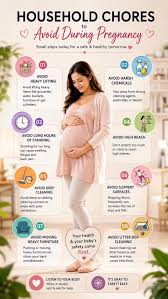
Household Hazards Pregnancy
Understanding common household hazards during pregnancy is key to maintaining a healthy environment for both mother and baby. This guide covers everyday items and situations that may pose risks, offering practical insights for a safer home.
What Are Household Hazards During Pregnancy?
Household hazards during pregnancy refer to anything in your home environment that could potentially harm you or your developing baby. These aren’t always obvious dangers. They can range from everyday cleaning products to the air you breathe.
It’s about making your sanctuary as safe as possible. This includes thinking about things you might touch, smell, or even inhale.
Your body is going through big changes. You might be more sensitive to certain chemicals. Also, your balance might be a bit different.
Things that were never an issue before could become a concern now. We want to make sure your home supports your well-being. It’s about identifying these potential risks and knowing how to manage them.
This includes understanding different types of hazards. Some are chemical, some are physical, and some relate to air quality. We’ll break them down so you can see them clearly.
The goal is not to create fear, but to empower you with knowledge. This knowledge helps you make informed choices for a healthy pregnancy journey.
My Own Pregnancy Safety Scare
I remember early in my first pregnancy. I was deep cleaning the bathroom, feeling very proud of myself for being so proactive. The windows were closed, and I was using a strong bleach-based cleaner to get rid of some tough mildew.
The fumes were intense. Within minutes, I felt lightheaded. My head started to ache, and I felt a wave of nausea.
It was a sudden, scary feeling. I suddenly thought, “Is this okay for the baby?”
I dropped the sponge and stumbled out of the bathroom, gasping for fresh air. It hit me then how powerful those fumes were. I hadn’t even considered the impact of strong chemicals.
I opened all the windows, sat down with a glass of water, and just breathed. That moment was a wake-up call. It made me realize that “clean” doesn’t always mean “safe” when you’re pregnant.
I learned that day to always check labels and prioritize ventilation. It was a lesson learned the hard way, but a crucial one.
Common Chemical Hazards and How to Spot Them
Many everyday items contain chemicals. Some of these can be risky during pregnancy. You might find them in cleaning supplies, personal care products, and even in the air.
It’s wise to be aware of what’s in the products you use often. Reading labels is your best first step. Look for terms like “Warning,” “Danger,” or “Caution.” These often signal stronger chemicals.
Some specific chemicals to be mindful of include phthalates, BPA, and certain pesticides. Phthalates are often found in fragranced products like lotions, air fresheners, and detergents. They are sometimes called “fragrance” on the label.
BPA is usually in plastics. Check labels on food and drink containers. Pesticides can be in bug sprays and some garden products.
Your doctor or midwife can provide a more detailed list of chemicals to avoid. They have the most up-to-date information. It’s good to have this expert guidance.
Don’t hesitate to ask them questions about product safety. They are your best resource.
Safer Cleaning Swaps
Tip:
- Vinegar: Great for general cleaning and disinfecting.
- Baking Soda: A mild abrasive and deodorizer.
- Lemon Juice: Natural bleach and degreaser.
- Castile Soap: A gentle, plant-based soap.
Always test these on a small area first. They are much gentler on your senses and your body.
Air Quality Concerns at Home
The air inside your home matters a lot. Poor air quality can come from many sources. Some chemicals we just talked about can off-gas into the air.
This is called volatile organic compounds, or VOCs. They can be in paints, new furniture, carpets, and cleaning products. Even air fresheners release VOCs.
Secondhand smoke is another big one. If anyone in your home smokes, or if people smoke near your home, the smoke can enter. This is very harmful to pregnant women and babies.
It’s best to have a strict no-smoking rule inside your house. Also, if you live near busy roads or industrial areas, outdoor pollution can affect your indoor air.
Mold can also be a problem. Damp areas like bathrooms and basements are common spots for mold to grow. If you see or smell mold, it needs to be cleaned up safely.
Some types of mold can release spores that are bad to breathe. Keeping your home dry and well-ventilated is key to preventing mold.
Quick Air Quality Checks
Action: Open windows daily for fresh air, even for a few minutes.
- Ventilation: Use exhaust fans when cooking or showering.
- Filtration: Consider an air purifier with a HEPA filter.
- Pollutants: Avoid burning candles or incense.
- Plants: Some houseplants can help clean the air.
These simple steps make a big difference. They help reduce the number of irritants you breathe.
Food Safety and Preparation Risks
What you eat is vital during pregnancy. But how you prepare and store your food also matters. Certain foods can carry bacteria that are harmful.
This is especially true for pregnant women, whose immune systems can be slightly less robust. Listeria and toxoplasmosis are two serious concerns.
Listeria can be found in unpasteurized dairy products, certain deli meats, and soft cheeses. Always check labels for “pasteurized.” Cook deli meats thoroughly. Toxoplasmosis can come from undercooked meats or unwashed fruits and vegetables.
It can also be in cat litter. If you have a cat, ask someone else to change the litter box, or wear gloves and wash your hands very well afterward.
Cross-contamination is another risk. This happens when harmful bacteria spread from one food to another. Use separate cutting boards for raw meats and produce.
Wash utensils and surfaces thoroughly after handling raw meat. Make sure refrigerators are at the correct temperature (below 40°F or 4°C) to slow bacterial growth.
Food Safety Scorecard
Score: Aim for an ‘A’ in food safety!
- Cook Thoroughly: All meats, poultry, and eggs.
- Wash Well: Fruits and vegetables, even if you plan to peel them.
- Avoid Raw: Sushi, raw sprouts, and unpasteurized items.
- Clean Surfaces: Hands, boards, and utensils often.
These habits protect you and your baby from foodborne illnesses.
Physical Hazards and Home Safety
Pregnancy can change your center of gravity. This makes you more prone to falls. Things like slippery floors, cluttered walkways, or uneven surfaces can become hazards.
Even simple tasks can feel trickier. It’s important to make your home a safe zone for movement.
Think about tripping hazards. Loose rugs can be a big problem. Consider securing them with non-slip pads.
Keep pathways clear of toys, cords, or anything else you might trip over. If you have stairs, make sure they are well-lit and that railings are secure. Consider installing grab bars in the bathroom, especially near the shower or tub.
Water temperature is another factor. Scalding can happen if water is too hot. Test the water temperature before getting into the bath.
Keep the water heater set to a safe level. Be careful when lifting heavy objects. If something feels too heavy, don’t try to lift it alone.
Ask for help.
Home Safety Audit
Checklist: Walk through your home with new eyes.
- Clear Paths: Remove clutter from floors.
- Secure Rugs: Use non-slip mats.
- Bright Lights: Ensure good lighting, especially on stairs.
- Bath Safety: Install grab bars if needed.
- Water Temp: Set water heater to 120°F (49°C) or lower.
These are simple changes that prevent big problems.
Medications and Health Products
It’s common to experience aches, pains, or nausea during pregnancy. You might be tempted to reach for over-the-counter medications. However, not all medications are safe during pregnancy.
Even some herbal remedies or supplements can pose risks. Always talk to your doctor before taking anything, including vitamins, herbs, or pain relievers.
Some common medications, like ibuprofen (Advil, Motrin) or aspirin, might be advised against during certain parts of pregnancy. Acetaminophen (Tylenol) is often considered safer, but even this should be used only when necessary and as directed by your doctor. The same applies to prescription medications.
Never stop or start a prescription without your doctor’s approval.
Be careful with topical creams or patches too. Some ingredients can be absorbed into your bloodstream. Always discuss these with your healthcare provider.
Reading the labels of all health products is crucial. If in doubt, ask your doctor or pharmacist. They are experts in pregnancy-safe options.
Medication Mindfulness
Rule: When in doubt, ask your doctor!
- Prescription Drugs: Discuss all with your provider.
- Over-the-Counter: Check for pregnancy safety.
- Herbal Remedies: Many are not tested for pregnancy safety.
- Topical Products: Creams and ointments can be absorbed.
Your health and your baby’s health are the priority. Always get professional advice.
Environmental Toxins to Be Aware Of
Beyond immediate cleaning products, other environmental toxins can be lurking. Lead is one. Older homes might have lead paint.
If you’re renovating, or if paint is chipping, this can be a hazard. Lead dust can be inhaled or ingested. Ensure any renovation work is done safely and that lead paint is handled by professionals.
Mercury is another concern, mainly related to fish consumption. However, mercury can also be found in some older thermometers or fluorescent light bulbs. If a thermometer breaks, clean it up carefully, avoiding touching the mercury with bare hands.
Dispose of it properly according to local guidelines. Fluorescent bulbs contain small amounts of mercury and should be recycled, not thrown in regular trash.
Radon is a colorless, odorless gas that can come up from the ground. It’s a known carcinogen. You can get kits to test your home for radon levels.
If levels are high, your home may need special ventilation systems. These are often installed by professionals. Knowing about these potential issues helps you take proactive steps.
Toxin Watchlist
Awareness: Know what to look for.
- Lead: In older homes (paint chips, dust).
- Mercury: In some old thermometers, fluorescent bulbs.
- Radon: A gas from the soil, test your home.
- Pesticides: In bug sprays and some garden products.
Being informed is the first step to a safer home.
Pet-Related Hazards
Pets are part of the family! But some aspects of pet care can pose risks during pregnancy. As mentioned, cat litter can contain the parasite that causes toxoplasmosis.
If you have a cat, ask your partner or a friend to handle the litter box duties. If you must do it yourself, wear gloves and wash your hands thoroughly afterward.
Dog feces can also carry bacteria and parasites. Always wash your hands after handling your dog’s waste. Be cautious if your dog is overly energetic.
A sudden jump or pull could cause you to lose balance. Consider having someone else walk a very strong or boisterous dog if you feel unsteady.
Some pets can also carry certain germs. It’s good to keep their living areas clean. Wash your hands after petting animals, especially before eating.
Most of the time, with good hygiene, your pets are safe companions during pregnancy. Just be aware of these specific risks.
Pet Safety Tips
Partnership: Work with your pet and your support system.
- Cat Litter: Avoid changing it if possible.
- Handwashing: Crucial after handling pet waste.
- Energetic Pets: Consider help with walks if needed.
- Animal Areas: Keep cages and bedding clean.
Enjoy your furry friends safely! Gentle precautions go a long way.
Ergonomics and Comfort at Home
As your pregnancy progresses, your body changes. Simple tasks might become uncomfortable. Ergonomics is about designing your environment to fit your body and your needs.
This can prevent strain and injury.
Think about your workspace if you work from home. Ensure your chair provides good back support. Your computer screen should be at eye level.
If you spend a lot of time sitting, use a footrest. When you’re doing household chores, like vacuuming or laundry, try to bend your knees rather than just your back. Use long-handled tools when possible to avoid excessive bending or reaching.
Sleeping positions can also become an issue. Most experts recommend sleeping on your side, especially your left side, to improve blood flow. Using extra pillows can help you get comfortable.
Place one between your knees and another behind your back for support. Making these small adjustments can greatly improve your comfort and safety at home.
Comfort Zone Checklist
Focus: Make your home work for your changing body.
- Desk Setup: Proper chair height and monitor position.
- Chore Helpers: Use tools that reduce bending.
- Supportive Sleep: Pillows for back and knee support.
- Listen to Your Body: Don’t push yourself if something hurts.
Prioritizing comfort is a form of safety.
What This Means For You and Your Baby
Knowing about household hazards is not about creating stress. It’s about building awareness. By understanding these potential risks, you can make small, manageable changes.
These changes create a safer, healthier environment for you and your growing baby. It gives you peace of mind.
For example, choosing a natural cleaner over a chemical one is a simple swap. Opening a window for a few minutes each day improves air quality. Cooking food thoroughly reduces the risk of foodborne illness.
These aren’t drastic measures. They are practical steps that contribute to a smooth and healthy pregnancy.
Your body is working hard to nurture a new life. By taking care of your environment, you’re also taking care of yourself. Think of it as creating a protective bubble.
It’s about being informed and making choices that support your well-being throughout these important months. Your health directly impacts your baby’s health.
Quick Safety Tips for a Healthy Home
Here are some straightforward tips to keep your home safe during pregnancy:
- Ventilate: Always open windows when using cleaning products or if there are strong smells.
- Read Labels: Look for warnings and opt for gentler, natural products when possible.
- Wash Hands: Frequently, especially after cooking, using the restroom, or handling pets.
- Be Mindful of Surfaces: Wipe down counters and cooking areas to prevent germ spread.
- Stair Safety: Ensure good lighting and use railings.
- Lift Smart: Bend your knees and ask for help with heavy items.
- Hydrate: Drink plenty of water, which helps your body process things.
- Avoid Overheating: Be aware of hot tubs or saunas, as excessive heat can be harmful.
These simple practices contribute significantly to a secure home environment.
Frequently Asked Questions About Pregnancy Home Safety
Are all cleaning products unsafe during pregnancy?
No, not all cleaning products are unsafe. However, many contain harsh chemicals with strong fumes that can be irritating or harmful. It’s best to choose natural or fragrance-free options whenever possible.
Always ensure good ventilation when cleaning.
Is it safe to paint during pregnancy?
It’s generally advised to avoid painting during pregnancy, especially if using oil-based paints. These contain strong solvents and VOCs that can be harmful. If you must paint, use low-VOC or zero-VOC paints and ensure the area is extremely well-ventilated.
It’s often best to have someone else do the painting.
What about air fresheners and candles?
Many air fresheners and scented candles release VOCs and other chemicals into the air. These can irritate your respiratory system and may not be good for your baby. It’s safer to opt for natural methods of freshening the air, like opening windows or using essential oils sparingly and with caution (consult your doctor).
Avoid burning incense as well.
Can I use my hot tub or sauna while pregnant?
It’s generally not recommended to use hot tubs or saunas during pregnancy. The excessive heat can raise your body temperature too high, which could be harmful to the baby. Stick to warm baths instead, and always ensure the water isn’t too hot.
What if I live with someone who smokes?
Exposure to secondhand smoke is very dangerous during pregnancy. It increases the risk of miscarriage, premature birth, and low birth weight. If you live with a smoker, ask them to smoke only outdoors and away from windows and doors.
Ideally, create a smoke-free home environment for your health and your baby’s.
How can I make my bathroom safer during pregnancy?
Bathrooms can be slippery. Make sure rugs have non-slip backing. Consider installing grab bars near the tub or shower.
Be careful with cleaning products; use milder options and ventilate well. Test bathwater temperature before getting in to avoid burns.
Final Thoughts on a Safe Home
Creating a safe home during pregnancy is about mindful choices. It’s about making small adjustments that add up to significant protection. You are doing an amazing job nurturing your baby.
By staying informed and taking practical steps, you can ensure your home is a healthy haven. Enjoy this special time with confidence and peace of mind.

Related Posts
X Ray During Pregnancy Risk

Gel Manicure Pregnancy Uv