Is Hyaluronic Acid Safe Pregnancy
Hyaluronic acid is generally considered safe to use during pregnancy and breastfeeding. It’s a naturally occurring substance in the body that hydrates skin without known harmful effects. Always check with your doctor if you have specific concerns.
What Is Hyaluronic Acid?
Hyaluronic acid is a molecule that your body makes naturally. It’s found in your skin, your connective tissues, and even your eyes. Its main job is to hold onto water.
Think of it like a tiny sponge. It pulls moisture from the air and locks it into your skin. This keeps your skin feeling plump and hydrated.
It’s a big reason why young, healthy skin looks so smooth and firm. As we get older, our bodies make less of it. That’s why many skincare products use it.
Why Do People Use Hyaluronic Acid?
In skincare, hyaluronic acid is loved for its amazing ability to moisturize. It can hold up to 1,000 times its weight in water. This makes skin look and feel smoother and more supple.
It helps reduce the appearance of fine lines and wrinkles. This happens because it plumps up the skin. It can also improve skin tone and texture.
Because it’s so gentle, it works for almost all skin types. Even sensitive skin usually handles it well.
Hyaluronic Acid and Pregnancy: What’s the Story?
During pregnancy, your skin can go through many changes. Hormones can cause dryness, breakouts, or even melasma (dark patches). Many people look for gentle ways to care for their skin during this time.
Hyaluronic acid is a popular choice. It’s known for being gentle and effective. It doesn’t have the same risks as some other skincare ingredients.
This makes it a go-to for many expecting mothers.
The good news is that most dermatologists and healthcare providers agree that topical hyaluronic acid is safe during pregnancy. It doesn’t get absorbed deeply into your body. It works on the surface layer of your skin.
Key Benefits of Hyaluronic Acid During Pregnancy
Hydration Boost: Pregnancy can sometimes lead to dry or dehydrated skin. Hyaluronic acid helps combat this by drawing moisture to the skin’s surface.
Gentle on Skin: It’s typically non-irritating, making it a good option for sensitive or reactive skin that can occur during pregnancy.
Plumping Effect: It can help skin look fuller and smoother, reducing the appearance of fine lines that might become more noticeable.
Supports Skin Barrier: Well-hydrated skin has a stronger barrier, which can protect against environmental stressors.
Is Hyaluronic Acid Really Safe? The Science Behind It
When we talk about safety during pregnancy, we often think about whether something can reach the baby. Hyaluronic acid is a large molecule. When applied to the skin, it mostly stays in the outer layers of the epidermis.
It doesn’t typically get into the bloodstream in amounts that would affect the baby.
Your body already produces hyaluronic acid. Your skin uses it every day to stay healthy. Adding a bit more from a skincare product doesn’t usually cause problems.
It’s not like certain medications or ingredients that can cross the placenta.
Think about it this way: your body is already very good at managing hyaluronic acid. It’s a natural component of healthy tissue. This makes it a very low-risk ingredient for topical use.
My Own Experience With Hyaluronic Acid During Pregnancy
I remember when I was expecting my first child. My skin, which was usually pretty normal, started to feel like sandpaper. It was dry, tight, and just generally unhappy.
I had heard about hyaluronic acid for years but had never really used it consistently.
I was nervous about using anything new. I had read all sorts of things online about what to avoid. But my doctor reassured me that hyaluronic acid was one of the safest ingredients I could use.
She said it was like giving my skin a big drink of water, and it wouldn’t harm the baby.
So, I bought a simple serum. The first time I applied it, I felt an instant difference. My skin just drank it up.
It felt so much softer and more comfortable. Over the next few weeks, the dryness faded. My skin looked a little brighter, too.
It was such a relief to find something that worked and that I didn’t have to worry about.
It became a staple in my routine. I felt confident using it because I knew it was gentle and natural. It was a small thing, but it made a big difference in how I felt about myself during a time of so many changes.
Hyaluronic Acid vs. Other Skincare Ingredients During Pregnancy
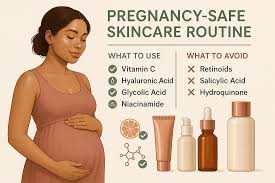
Safe Options:
- Hyaluronic Acid: Excellent for hydration.
- Vitamin C (L-Ascorbic Acid): An antioxidant that can brighten skin.
- Niacinamide: Can help with redness and barrier support.
- Glycerin: Another great humectant for moisture.
- Ceramides: Help repair the skin barrier.
Ingredients to Discuss with Your Doctor:
- Retinoids (Retinol, Tretinoin): Generally avoided due to potential risks.
- Salicylic Acid (High Concentrations): Often advised to use with caution or avoid.
- Hydroquinone: Typically not recommended.
Common Questions About Hyaluronic Acid and Pregnancy
It’s natural to have questions. Here are some I hear often:
Can I use hyaluronic acid serum while pregnant?
Yes, absolutely. Hyaluronic acid serums are very popular. They are generally considered safe for use during pregnancy.
Their hydrating benefits are a big plus.
Is hyaluronic acid in injections safe during pregnancy?
This is a different question. Dermal fillers that use hyaluronic acid are typically not recommended during pregnancy. This is mainly because of a lack of safety studies and potential risks.
It’s best to wait until after your baby is born.
Are hyaluronic acid supplements safe during pregnancy?
Supplements are also different from topical products. There is limited research on oral hyaluronic acid supplements during pregnancy. It’s best to avoid them or discuss them thoroughly with your doctor before taking them.
Can hyaluronic acid help with pregnancy-related skin issues like melasma?
Hyaluronic acid itself doesn’t directly treat melasma. Melasma is caused by hormonal changes. However, by keeping skin well-hydrated and healthy, it can support your overall skin condition.
This might make other treatments work better later.
Are there any side effects of hyaluronic acid for pregnant women?
Side effects are rare. Some people might experience mild redness or irritation. This is usually due to other ingredients in the product, not the hyaluronic acid itself.
Always do a patch test if you’re unsure.
Spotlight On: Hydration Heroes
The Problem: Pregnancy can zap moisture from your skin, leaving it feeling dry and tight. Your skin barrier might weaken, making it more prone to irritation.
The Solution: Hyaluronic acid acts like a magnet for water. It pulls moisture from the air into your skin cells. This keeps your skin hydrated and plump.
The Result: Softer, smoother, and more comfortable skin. It helps your skin look its best during a time of great change.
What to Look For in a Hyaluronic Acid Product
When you’re choosing a hyaluronic acid product, think about simplicity. Look for formulas with minimal ingredients.
It’s a good idea to choose products that are labeled “fragrance-free” or “hypoallergenic.” This is especially true if your skin is sensitive. You want to avoid potential irritants.
Some products contain different molecular weights of hyaluronic acid. Smaller molecules might penetrate a bit deeper. Larger molecules stay on the surface.
A good product might use a mix to give you benefits both deep down and on top.
Always check the full ingredient list. Make sure there aren’t any other ingredients you’re trying to avoid during pregnancy. If you’re unsure, your doctor or a dermatologist can help you read labels.
Quick Guide: Reading Ingredient Labels
Look For:
- Hyaluronic Acid (or Sodium Hyaluronate)
- Glycerin
- Ceramides
- Panthenol (Vitamin B5)
Be Cautious With (and ask your doctor):
- Fragrance (Parfum)
- Certain Preservatives
- High concentrations of exfoliating acids
When to Talk to Your Doctor
While hyaluronic acid is generally considered safe, it’s always best to talk to your healthcare provider. This is especially true if you have any underlying skin conditions or concerns.
Your doctor knows your health history. They can give you the most personalized advice. They can help you understand what’s best for you and your baby.
Don’t hesitate to ask questions at your prenatal appointments. Your doctor can review your current skincare routine. They can help you make informed decisions.
Understanding Different Types of Hyaluronic Acid
You might see different names for hyaluronic acid on labels. The most common is hyaluronic acid itself. You’ll also see sodium hyaluronate.
This is a salt form of hyaluronic acid. It’s smaller and can penetrate the skin more easily.
Different molecular weights can also be mentioned. These include hydrolyzed hyaluronic acid (smaller molecules) and sodium hyaluronate crosspolymer (larger molecules). Each has a role in skin hydration.
The good news is that, for topical use, the specific type or weight of hyaluronic acid doesn’t usually change its safety profile during pregnancy. The key is that it’s applied to the skin and stays there.
Hyaluronic Acid vs. Retinol: A Pregnancy Perspective
Hyaluronic Acid:
- Function: Hydration, plumping.
- Safety in Pregnancy: Generally considered safe for topical use.
- Benefit: Boosts moisture, improves skin texture.
Retinol (Vitamin A derivative):
- Function: Anti-aging, acne treatment, skin renewal.
- Safety in Pregnancy: Generally NOT recommended. High doses can cause birth defects.
- Benefit: Powerful, but carries risks during pregnancy.
Real-World Scenarios Where Hyaluronic Acid Shines
Pregnancy brings on a lot of changes. Let’s look at how hyaluronic acid can help in everyday situations.
Scenario 1: The Dry Patch
You notice a rough, dry patch on your cheek. It feels tight and uncomfortable. Your skin barrier might be a bit compromised.
Applying a hyaluronic acid serum after cleansing can help. It draws moisture back into that area. Your skin starts to feel softer and more balanced.
Scenario 2: Post-Workout Skin
After a workout, your skin might feel a little dehydrated. Even though you’re sweating, the heat can dry out your skin. A hyaluronic acid moisturizer or serum can help replenish lost moisture.
It keeps your skin feeling supple and healthy.
Scenario 3: Dealing with Swelling
Some swelling is common during pregnancy. While hyaluronic acid won’t reduce swelling, it helps keep your skin healthy and elastic. This can be beneficial as your body changes.
Good hydration supports overall skin health.
What This Means for Your Skincare Routine
Adding hyaluronic acid to your routine is usually a simple step. You can use it in the morning and at night.
After cleansing your face, gently pat your skin slightly damp. Then, apply a few drops of hyaluronic acid serum. You can follow it up with your regular moisturizer.
This helps to lock in all that hydration.
It can be used with many other safe ingredients. This makes it easy to fit into most routines. You don’t have to completely overhaul your current products.
When to Be Concerned (and When Not To Be)
If you’re using a hyaluronic acid product and your skin starts to feel worse, pay attention. Redness, itching, or a burning sensation could mean you’re reacting to another ingredient in the product. It’s rare for hyaluronic acid itself to cause this.
If you experience a reaction, stop using the product. Wash your face gently. Contact your doctor or a dermatologist.
They can help you figure out what’s going on.
But for most people, hyaluronic acid is a truly low-risk ingredient. It’s a fantastic way to keep your skin happy and hydrated during pregnancy. The benefits of good hydration are significant for skin health.
Quick Tips for Using Hyaluronic Acid
Here are some simple tips to get the most out of your hyaluronic acid products:
- Apply to Damp Skin: Hyaluronic acid needs water to work. Applying it to slightly damp skin helps it draw moisture effectively.
- Layer Smartly: Use it after cleansing but before heavier creams or oils. This helps it penetrate and hydrate.
- Don’t Overdo It: A little goes a long way. Using too much won’t necessarily give you better results.
- Patch Test: If you have very sensitive skin, always do a patch test on a small area first.
- Consistency is Key: Use it regularly to see the best results in skin hydration and plumpness.
Frequently Asked Questions
Is hyaluronic acid safe to use on my face during pregnancy?
Yes, topical hyaluronic acid is generally considered safe for your face during pregnancy. It works on the skin’s surface and is not absorbed into the bloodstream in concerning amounts.
Can I use hyaluronic acid body lotion while pregnant?
Absolutely. Hyaluronic acid body lotions are also considered safe for use during pregnancy. They help keep your body skin hydrated and comfortable.
Are there specific brands of hyaluronic acid that are better for pregnant women?
While many brands are safe, look for simple formulas with minimal added ingredients. Fragrance-free and hypoallergenic options are often best, especially if you have sensitive skin.
What if I used a product with hyaluronic acid before I knew I was pregnant?
Don’t worry. Given its safety profile, it’s very unlikely to have caused any issues. Most common skincare ingredients are safe in pregnancy.
How long does it take to see results from hyaluronic acid?
You may notice an immediate improvement in skin hydration and plumpness. More significant changes in skin texture and fine lines can take a few weeks of consistent use.
Can hyaluronic acid help with pregnancy acne?
Hyaluronic acid itself doesn’t treat acne. However, by keeping skin hydrated and balanced, it can support overall skin health. This might indirectly help manage breakouts.
Final Thoughts on Hyaluronic Acid During Pregnancy
Navigating skincare during pregnancy can feel overwhelming. But knowing that ingredients like hyaluronic acid are safe brings peace of mind. It’s a gentle, effective way to keep your skin hydrated and healthy.
Your skin deserves good care throughout this amazing journey.

Related Posts

X Ray During Pregnancy Risk

Gel Manicure Pregnancy Uv